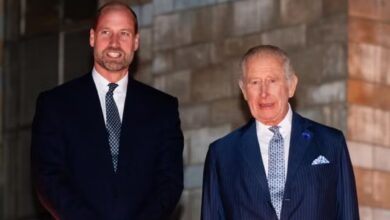
Prince William, the future king of the United Kingdom, may not have a traditional job or a fixed salary, but his income figures are undeniably impressive. This year alone, he is reported to have earned nearly $30 million, a testament to his financial stature within the royal family.
His income source is unique, as it is primarily derived from the Duchy of Cornwall a historic estate established in 1337 by King Edward III to fund the heir to the throne. Since inheriting the estate in 2022, when his father King Charles III ascended the throne, William’s financial landscape has notably transformed.
The Duchy of Cornwall’s 2025 Integrated Annual Report revealed a substantial surplus of approximately £22.9 million, or roughly $30.9 million, for the financial year 2024–2025. This surplus reflects William’s earnings from the estate, which cover various expenses including official duties, charitable endeavors, and private family expenses.
As the Duke of Cornwall, Prince William’s role has expanded significantly, especially following Queen Elizabeth II’s death. A royal source mentioned that William immersed himself fully into his responsibilities, embarking on numerous trips and initiatives within his estate. These efforts underscore his commitment to his evolving role.
One notable visit took place in May 2024 when William traveled to Newquay to observe an innovative Duchy housing project aimed at combating homelessness. Such visits highlight his focus on social issues and his active engagement in community development initiatives.
The annual report further outlined William’s growing responsibilities beyond estate management, including his appointment as patron of The Football Association. He also took on patronages with the Welsh Guards Charity and the Royal Cornwall Agricultural Association, demonstrating his broader engagement.
Read More: King Charles Stuns Britain by Honouring Wicked Star Cynthia Erivo in Major Royal Move
His involvement with football, charity work, and agricultural initiatives reflects a multidimensional approach to his future duties as king. This diversification of responsibilities prepares him for a wider role in public service and national leadership.
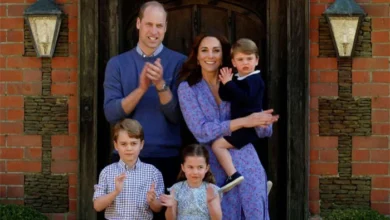
William’s financial independence, derived from the Duchy of Cornwall, allows him to maintain a lifestyle that is both regal and modern. His income supports his family, including his wife Princess Kate and their three children, ensuring their needs are met without traditional employment.
Despite the non-traditional income stream, William’s financial footing is robust, and his focus remains on public service. His financial activities are transparent through the estate’s annual reporting, emphasizing responsibility and accountability.
Moreover, William’s active engagement in charitable and social projects demonstrates a commitment to societal betterment. His efforts extend beyond fiscal matters, reflecting the responsibilities that come with his future role as king.
The image of Prince William thriving financially and professionally showcases a new era of monarchy, blending historical heritage with modern responsibilities. His example paves the way for a more approachable and engaged royal heir.
In summary, Prince William’s earnings from the Duchy of Cornwall not only secure a prosperous future for his family but also reinforce his dedication to public service and social progress. His journey reflects a blend of tradition, responsibility, and modernity that characterizes the contemporary monarchy.