Prince Harry Court Battle Erupts as Explosive Skeletons in Closet Claims Shake British Press

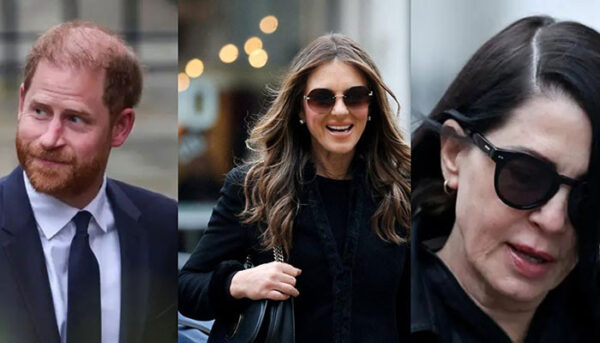
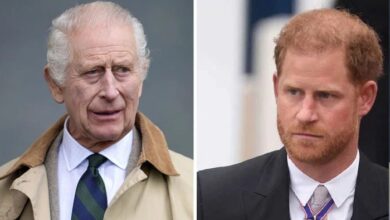
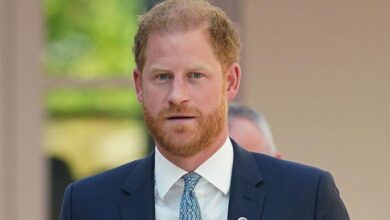
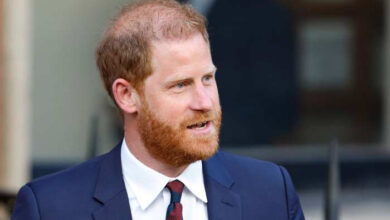
Prince Harry dramatic legal fight against the British press burst back into the spotlight on Monday as he arrived in London for a High Court showdown that could have lasting consequences. The Duke of Sussex is once again challenging powerful media institutions, turning what might have been a routine court appearance into a defining moment of his post royal life.
The case places Prince Harry alongside several high profile figures who are accusing the publisher of the Daily Mail of long standing and deeply invasive practices. This renewed confrontation has revived public debate about press accountability, royal privacy, and whether powerful publishers have escaped scrutiny for far too long.
Leading the legal charge was barrister David Sherborne, who wasted no time delivering a blistering opening statement. He argued that Associated Newspapers Limited had spent years denying any wrongdoing, maintaining a public image of innocence while allegedly hiding a much darker internal reality.
According to Sherborne, the publisher had previously told the Leveson Inquiry in 2012 that no unlawful information gathering had ever taken place. The courtroom, he insisted, would now hear evidence that directly contradicted those claims, potentially exposing what he described as skeletons hidden deep within the company’s closet.
Prince Harry and six other claimants are expected to outline a pattern of covert behavior stretching across two decades. The legal team claims this was not a series of isolated incidents but a systematic approach to gathering private information about public figures, including members of the British royal family.
Sherborne warned that any ruling in favor of the claimants would be devastating for the publisher. He argued that such an outcome would undermine years of denials and raise serious questions about how senior figures within the company had responded to allegations of misconduct.
One of the more striking claims involved a journalist who allegedly supplied dozens of exclusives to a royal correspondent over many years. The suggestion, according to the claimants, is that these stories could not have been obtained without questionable methods that crossed legal and ethical boundaries.
Another key focus of the case is the alleged routine use of private investigators. Sherborne pointed to an agency known as ELI, which he said appeared on an internal restricted list but was still allegedly used to obtain private information on a regular basis.
Read More: Prince Harry Walks Out Smiling as Courtroom Drama Explodes and Prince William Fury Simmers
Emails highlighted in court are said to suggest deceptive phone calls and the gathering of sensitive travel and financial details. These allegations, if proven, could reinforce Prince Harry long standing claims that sections of the British press treated privacy laws as optional rather than mandatory.
The scene outside the courtroom was just as eye catching as the proceedings inside. Sadie Frost arrived to support her case involving intrusive reporting during her divorce, while Elizabeth Hurley appeared alongside her son Damian, drawing further attention to the gravity of the claims.
The presence of such high profile figures has amplified the significance of Prince Harry legal battle. This is not just about one royal figure but about whether celebrities and public figures were subjected to widespread and coordinated invasions of privacy.
For Prince Harry, this case represents far more than a single lawsuit. Since stepping back from royal duties following Megxit, he has repeatedly positioned himself as a critic of the British press, arguing that toxic reporting culture played a role in his family struggles.
His actions have often divided public opinion, with some accusing him of fighting old battles while others see him as a necessary challenger to powerful media institutions. This courtroom confrontation has the potential to reshape how his campaign is perceived.
Harry walking into a London courtroom is no longer viewed as a routine royal appearance. Instead, it signals a direct challenge to a press system he believes has operated without sufficient accountability, even when reporting on the British royal family.
As the case unfolds, its outcome could have ripple effects far beyond Prince Harry personal grievances. A ruling in favor of the claimants may force uncomfortable reflection across Fleet Street and potentially mark a turning point in the relationship between the press and the powerful figures it covers.