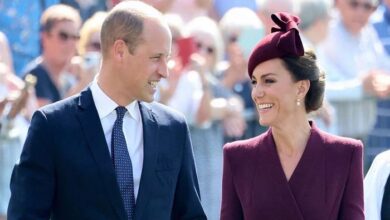
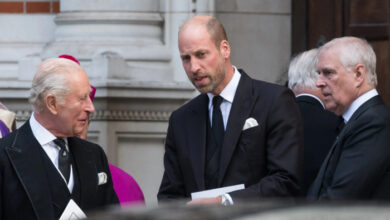
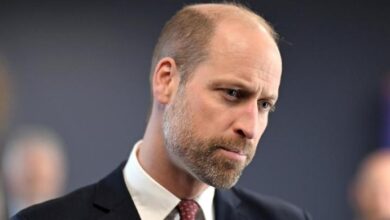
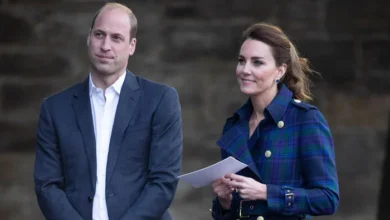
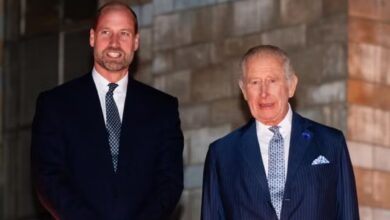
Prince William, the heir to the British throne and currently the Prince of Wales, is on the cusp of a significant transformation within the royal family. As King Charles III’s eldest son, William is poised to assume a pivotal role that promises to reshape the monarchy’s future.
The year 2026 has been identified as a milestone for the royal family, marking what many see as a fresh chapter in its long history. Preparations for this major shake-up are underway, with particular focus on William’s evolving responsibilities.
According to astrologers, William’s sense of duty is expected to intensify early in 2026. Astrologer Debbie Frank predicts that from the very start of the year, high-impact events will activate key elements of his destiny, signaling a transition of great importance.
One notable moment is the Full Moon on January 3rd, which astrologers say will activate William’s destiny point. This alignment suggests he will become increasingly aware that 2026 will be a year of profound change.
By February, the influence of William’s Cancer Sun and Moon will come into play, indicating a surge in his duty to serve both his country and the global stage. Cancer’s sensitivity is believed to be a guiding force in his leadership journey.
Despite seeming inclination to retreat into his shell, William is expected to step up and embrace his increased role. His empathetic nature is seen as his superpower, essential for a future monarch balancing duty and compassion.
Debbie Frank highlights that William’s public presence will expand, emphasizing the need for him to be active both nationally and internationally. He will need to be a visible and empathetic figure for the people of the UK and beyond.
Read More: Queen Camilla Draws Firm Line on Abuse as Andrew Fallout Sends Powerful Royal Message
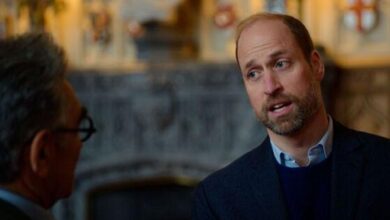
William has already expressed his vision for the monarchy, emphasizing the importance of adaptation and progressive change. In a conversation with actor Eugene Levy, he made it clear that change is not only inevitable but also desirable.
He stated, “Change for good” is on his agenda, indicating his openness to reforms aimed at modernizing the monarchy. William enjoys the prospect of change, viewing it as an opportunity for positive evolution within royal traditions.
His desire to implement thoughtful reforms is driven by a genuine sense of responsibility. William recognizes that the monarchy must evolve to stay relevant in a rapidly changing world.
This outlook reflects William’s broader leadership philosophy: embracing transition and inspiring stability through adaptability. His approach suggests a future king who values progress alongside tradition.
As he prepares for this transition, William is expected to become more active on the international stage. His engagement in global issues will likely increase to position the monarchy as a relevant and compassionate institution.
The coming years will be critical for William as he consolidates his role. His dedication to service and change signals a promising future for the British monarchy under his guidance.
In conclusion, William’s impending rise in 2026 is set to be marked by a blend of duty, empathy, and reformist zeal. This period promises to redefine his role and potentially reshape the royal family’s legacy for generations to come.