Keir Starmer Moves To Deliver Crushing Blow To Andrew Mountbatten Windsor As King Charles Faces Succession Shock

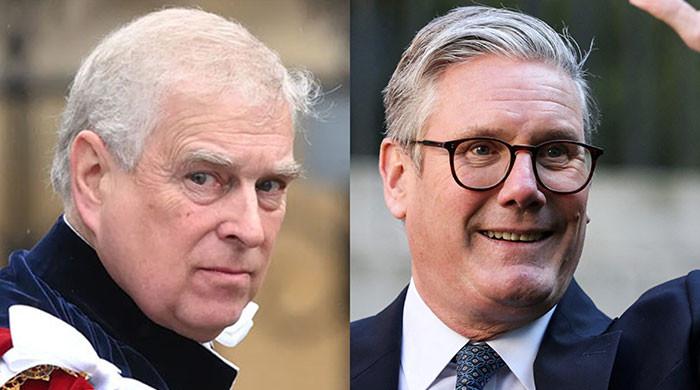
A political and royal storm is brewing in the United Kingdom as Keir Starmer reportedly considers an unprecedented move that could permanently alter the royal line under King Charles. Andrew Mountbatten Windsor now finds himself at the center of a potential constitutional upheaval that could strip him of his place in the succession. The situation has already captured the attention of royal watchers across the world.
Government insiders say legislation is being considered to formally remove Andrew Mountbatten Windsor from the line of succession. If enacted, the decision would mark one of the most dramatic interventions in modern royal history. It would permanently redraw the order of succession and intensify scrutiny on the monarchy at a sensitive time.
A senior official, speaking anonymously, confirmed that any action would wait until the ongoing police investigation concludes. The investigation focuses on allegations of misconduct in public office and has already fueled intense media coverage. The timing highlights the careful balance between legal processes and constitutional reforms.
Despite losing his royal titles last October over links to convicted financier Jeffrey Epstein, Andrew Mountbatten Windsor remains eighth in line to the throne. This lingering position has reignited debate over accountability and the role of privilege within the monarchy. Many observers question whether he should retain any official status.
The former Duke was released under investigation this week after his arrest on suspicion of misconduct in public office. He continues to deny wrongdoing, maintaining that he has acted lawfully at all times. His statements, however, have done little to calm public opinion or media scrutiny.
For the proposal to proceed, it would require an act of Parliament and the agreement of all Commonwealth countries where King Charles serves as head of state. This requirement emphasizes the unprecedented nature of the potential action and the complex coordination it would demand across multiple governments.
Formal interventions in succession are extremely rare. The last adjustment took place in 2013, and the last outright removal occurred in 1936 after King Edward VIII abdicated. Any move against Andrew Mountbatten Windsor would therefore be a landmark event, marking the first time in nearly a century that a royal could be removed for scandal.
Read More: Prince William Shuts the Palace Gates as Sarah Ferguson Makes Desperate Plea After Royal Fallout
Since 2019, the former Duke has largely stepped back from public duties. His retreat followed a storm over a controversial BBC interview in which he discussed his Epstein connections. The broadcast intensified criticism and further undermined his standing within the royal family.
Conservative Party leader Kemi Badenoch has urged patience, emphasizing that the police must complete their work before Parliament acts. Her comments reflect the sensitivity of interfering with royal succession and the potential consequences for public perception and Commonwealth relations.
Shadow Scotland secretary Andrew Bowie suggested that Andrew Mountbatten Windsor should voluntarily remove himself from succession, calling it “the decent thing” to do. Growing pressure from political leaders and public opinion signals that voluntary action may be expected or encouraged.
The saga has reignited debates about privilege, accountability, and the role of modern monarchy. While some argue that removing him would protect the royal family’s integrity, others warn it could provoke divisions and set a precedent for political involvement in succession matters.
King Charles now faces a delicate challenge. Removing a family member could stabilize public trust but may also anger traditionalists who view the monarchy as above politics. The decision will have long-term implications for both the crown and public confidence.
Andrew Mountbatten Windsor’s future hangs in the balance as investigations continue and political deliberations unfold. The combination of criminal inquiries and parliamentary action creates an unprecedented atmosphere of uncertainty around the monarchy.
Public fascination has intensified, with media and social platforms amplifying every development. The story touches on sensitive issues of privilege, accountability, and the intersection of law and tradition, making it one of the most compelling constitutional dramas in decades.