Prince William Steps In With King Charles as Palace Order Signals Final Break With Andrew Scandal

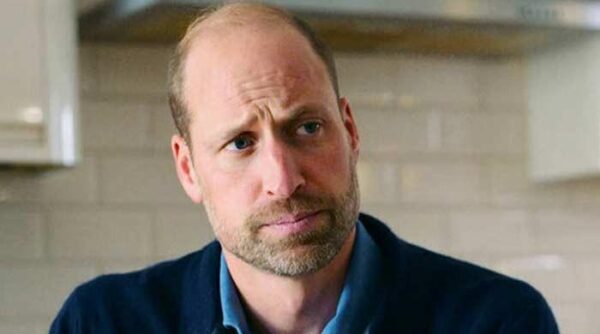
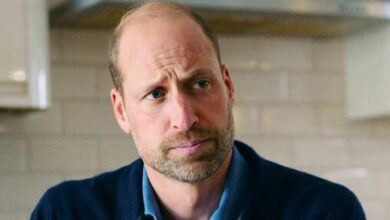
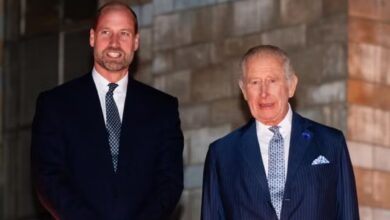
Prince William has reportedly emerged as a decisive force alongside King Charles as the monarchy takes one of its most serious internal actions in decades. The future king is said to have played a key role in backing a firm order designed to protect the Crown as damaging revelations continue to surface around Andrew Mountbatten Windsor and his ties to Jeffrey Epstein.
Buckingham Palace previously confirmed in October 2025 that King Charles had formally cut all remaining royal connections to his disgraced brother. The decision was framed as necessary to safeguard the institution, but sources suggest Prince William was instrumental in ensuring the move went ahead without hesitation.
The Prince of Wales was last seen publicly alongside his uncle at the funeral of the Duchess of Kent in September 2025. Observers noted visible tension, with William appearing deeply uncomfortable standing next to Andrew Mountbatten Windsor during the solemn occasion.
Royal insiders later revealed that William was not merely uneasy but reportedly “clearly revolted” by the allegations surrounding his uncle. Those close to the heir believe the Epstein files have left him with little patience for silence or half measures.
While Palace aides often insist that royal actions matter more than public statements, several commentators now warn that quiet distancing may no longer satisfy public expectations. The sheer scale of the Epstein revelations has shifted the conversation, making avoidance increasingly difficult.
The United States Department of Justice recently released around three million pages in the latest tranche of Epstein files. The volume of material has reignited global outrage and placed renewed focus on anyone linked to the convicted paedophile, including Andrew Mountbatten Windsor.
Daily Mail columnist Jan Moir argued that the continued silence from King Charles and Prince William is becoming impossible to ignore. She described the lack of direct condemnation as “utterly deafening” at a time when public anger is reaching new levels.
Moir pointed out that King Charles has never directly addressed the scandal, while Prince William has largely dodged questions. On one rare occasion outside Westminster Cathedral last September, William reportedly muttered that the issue was “too deep” to comment on.
Read More: King Charles Caught in Awkward Moment as Shocking Question Erupts During Public Visit
Despite this, the columnist stressed that William’s private stance is far from supportive. She claimed he is not conflicted but instead may have been “the driving force behind his banishment” from royal life.
However, critics argue that without a clear public message, the Palace risks appearing complacent or worse. The absence of a strong statement condemning the actions and acknowledging victims is being increasingly questioned.
Prince Edward briefly broke from the traditional royal approach by publicly emphasizing the importance of remembering victims when asked about the Epstein scandal. Some commentators now believe this should be the standard response from senior royals.
According to Moir, unless the Windsors openly condemn the decades of alleged wrongdoing and the lack of remorse shown by Andrew Mountbatten Windsor, it may appear as though the family does not truly care about the victims.
This presents a particular challenge for Prince William, who is widely seen as the future of the monarchy. With anti monarchy sentiment rising, his credibility depends on demonstrating moral clarity and accountability.
William has long positioned himself as a champion of children’s welfare and protection. Failing to publicly stand with victims of exploitation could undermine that reputation at a crucial moment in his journey toward the throne.
As King Charles and Prince William attempt to steer the monarchy through this crisis, the pressure to speak grows stronger. For many, actions behind palace walls are no longer enough in an era demanding transparency.
Whether the future king chooses to break his silence may define how history judges his leadership. In the eyes of the public, acknowledging wrongdoing could be the very step that secures trust and protects the monarchy’s future.