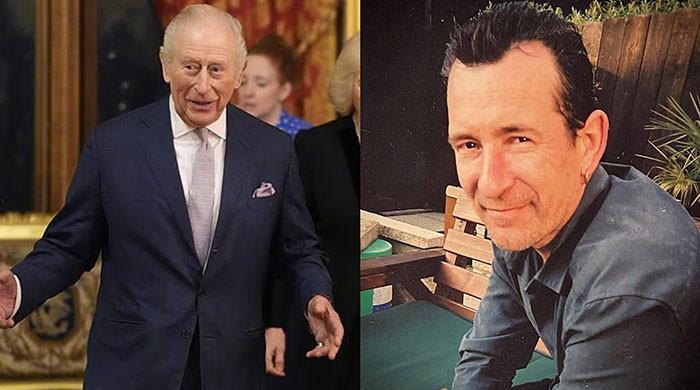
The death of a respected royal decorator has cast a somber shadow over the British royal family, after an inquest revealed he was deeply distressed following criticism linked to a project at Sandringham. The case has raised difficult questions about pressure, pride in work, and the emotional toll of serving at the very heart of the monarchy.
Chris Eadie, a long serving decorator who dedicated more than three decades of his life to royal estates, was found dead after a period of visible emotional struggle. His passing has drawn renewed attention to the human stories behind the grandeur of royal residences.
For over thirty years, Eadie worked closely with the royal household, carrying out restoration and painting projects for the late Queen Elizabeth and later for King Charles. His craftsmanship extended to some of the most personal royal spaces, including rooms used by the Prince and Princess of Wales.
The inquest heard that one of his final assignments involved repainting a pagoda in the gardens of Sandringham. The colours had been personally requested by the King, and Eadie followed the instructions precisely, despite privately feeling the shades were overly bright.
According to testimony, the decorator took immense pride in delivering exactly what was asked of him. However, when the project was later reassigned and criticised, it left him devastated, particularly given the care and preparation he had invested.
His brother, Mark Eadie, told the court that the setback crushed him emotionally. He explained that after weeks of detailed work, being removed from the task felt like a personal rejection rather than a routine professional decision.
Around the same time, Chris Eadie began experiencing significant health anxiety. He lost weight, struggled with his appetite, and confided in family members that he feared he might be suffering from cancer, adding another layer of stress to an already difficult period.
Phone conversations between the brothers painted a picture of a man becoming increasingly anxious and withdrawn. Alongside health worries, Eadie was also troubled by a noticeable decline in work opportunities at Sandringham following internal management changes.
Read More: King Charles Faces Angry Shouts as Crowd Demands Andrew Be Kicked Out During Royal Visit
Colleagues described him as a talented perfectionist who was often trusted with the most sensitive and high profile assignments. His attention to detail and loyalty to the estate had earned him respect over decades of service.
Six weeks before his death, family members grew seriously concerned. Mark Eadie told the inquest that he once found his brother sitting alone in the dark, deeply distressed, and feared he might already be contemplating harming himself.
The inquest carefully avoided assigning direct blame, focusing instead on the broader circumstances surrounding his emotional state. The court heard that multiple factors, including professional disappointment and health fears, appeared to weigh heavily on him.
While Buckingham Palace has not issued a detailed public statement, sources say there is awareness within royal circles of the sadness surrounding the case. It has prompted quiet reflection on how valued staff experience pressure behind palace walls.
Mental health advocates note that cases like this highlight the need for stronger emotional support in high pressure working environments. Even roles connected to tradition and prestige can carry intense personal expectations.
For many observers, the tragedy serves as a reminder that behind royal pageantry are ordinary people whose lives are shaped by criticism, change, and uncertainty. Chris Eadie’s death has resonated far beyond Sandringham, touching a national conversation about compassion and care.
As the royal family continues to face scrutiny on multiple fronts, this deeply personal loss underscores a quieter truth about service and sacrifice. The legacy of a man who gave his life to preserving royal heritage is now inseparable from calls to better protect those who serve it.