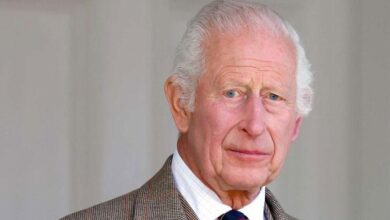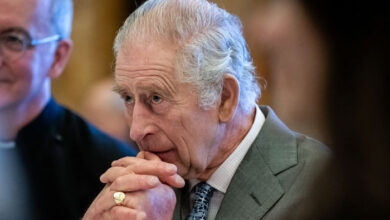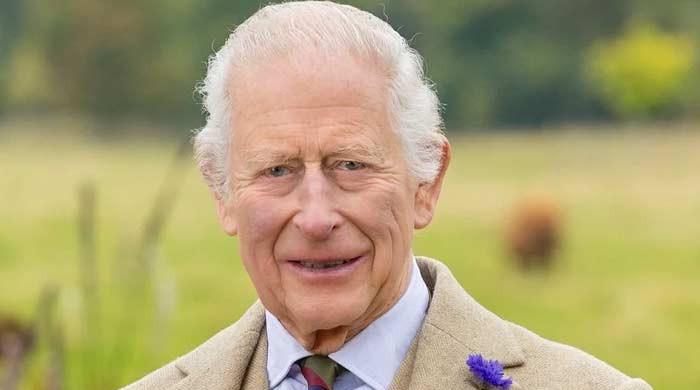
King Charles has recently provided updates about his health, revealing ongoing treatment for an undisclosed form of cancer. His communication, mainly through a pre-recorded message, underscores his unwavering commitment to his royal duties despite personal health challenges. This approach reflects his prioritization of privacy, especially regarding the specifics of his illness.
In December last year, the monarch released a heartfelt video message for Channel 4’s Stand Up To Cancer initiative. During this address, he openly discussed his diagnosis and the positive developments in his treatment journey. His openness aimed to raise awareness about cancer and early detection’s crucial role, demonstrating his solidarity with affected individuals worldwide.
While King Charles confirmed he would be reducing his cancer treatments in 2026, he chose not to specify the cancer type. This deliberate silence has sparked speculation among fans and health experts alike, fueling curiosity about the nature of his illness and his reasons for privacy. Yet, his focus remains on advancing cancer awareness rather than disclosing personal details.
Despite withholding specific information, the King emphasized the importance of early diagnosis. He shared an optimistic outlook, highlighting that early detection can significantly improve survival rates and treatment effectiveness. His message advocates for prompt medical attention and regular screenings for everyone.
The Buckingham Palace team has confirmed that King Charles’s recovery has entered a notably positive phase. However, they cautiously refrained from using the term “remission,” a word previously used by Princess Catherine post-treatment. This careful language indicates ongoing monitoring and the complexity of cancer treatment outcomes.
When asked about his specific cancer type, the royal office responded that it was a strategic decision aligned with medical advice. They stated that the King prefers to support the broader cancer community by focusing on awareness and prevention rather than personal health disclosures.
King Charles has used bowel cancer as a case in point, illustrating how early detection can potentially save lives. He underscored that survival rates decline sharply when colorectal cancer is diagnosed at later stages, urging the public to engage in regular screenings and vigilant health checks.
In addition, he lauded the new national Screening Checker tool, designed to guide individuals through eligibility for breast, bowel, and cervical cancer screening programs. This initiative aims to facilitate early detection across various types of cancers, reinforcing his commitment to public health advocacy.
The Palace clarified that the King’s recent diagnosis followed treatment for an enlarged prostate and confirmed he does not have prostate cancer. These distinctions are crucial in understanding the broader context of his health and reassure the public about his overall well-being.
Remarkably, other members of the royal family are also contending with their health issues. For instance, Kate Middleton announced in January 2025 that she was in remission after treatment for an undisclosed cancer, demonstrating that cancer remains a significant health concern within the royal household.
The monarchy’s approach to health transparency balances privacy and public interest, emphasizing the importance of early detection and effective treatment. Such decisions reflect both medical advice and a strategic effort to maintain dignity and focus on awareness rather than sensationalism.
King Charles’s handling of his health challenges highlights resilience and responsibility. His choice to keep the specific diagnosis private is aligned with his role as a leader, focusing on promoting health messages that can benefit countless others worldwide.
In conclusion, while the monarch’s exact cancer remains undisclosed, his message of hope, early detection, and ongoing support for the cancer community resonate strongly. His journey underscores the importance of medical advances, timely diagnosis, and the courage to handle personal health matters discreetly yet effectively.