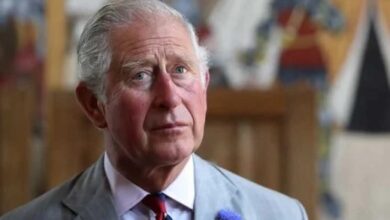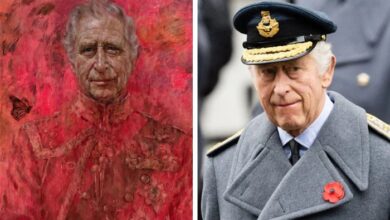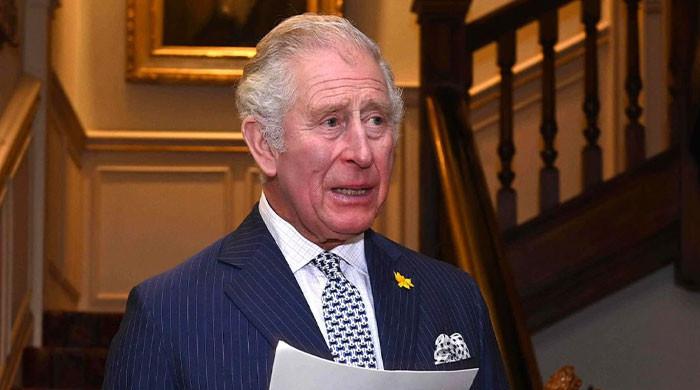
King Charles recently convened an important meeting at Buckingham Palace to commemorate a significant milestone in history. The event highlights his dedication to fostering diplomatic relations and honoring the legacy of peace agreements.
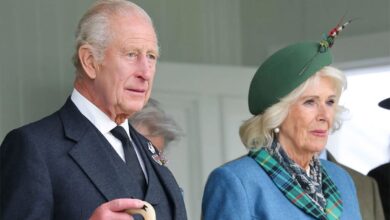
While Queen Camilla was seen engaging with Zara Tindall and Carole Middleton at Cheltenham, the King focused on critical diplomatic matters that underscore his leadership role within the monarchy.
The current royal family has been under intense scrutiny lately, with numerous criticisms from anti-monarchy protestors and taxpayers. Many have expressed dissatisfaction over perceived lukewarm responses to ongoing national and international issues.
Amidst this turmoil, King Charles remains committed to strengthening alliances and repairing the royal image. His focus seems to be shifting towards building a more resilient and united front through diplomatic engagements.
A notable event was his private audience with seven elected representatives of First Nations signatories to Treaty 6. This treaty, signed in 1876, holds significant historical importance in the context of Canada’s Indigenous relations.
Treaty 6 is part of a series of agreements between the Crown and First Nations that span from 1871 to 1921. These treaties laid the groundwork for the rights and privileges of Indigenous communities across Canada.
This particular treaty involved signatories from the Plains and Woods Cree, Assiniboine, and other bands at Fort Carlton and Fort Pitt. It remains a cornerstone of Indigenous rights and negotiations today.
What sets Treaty 6 apart are its unique clauses, including the Medicine Chest Clause, Famine and Pestilence Clause, and rights to health and education. These provisions highlight the recognition of fundamental rights for Indigenous peoples.
The treaty continues to be upheld as a vital agreement that safeguards indigenous rights, reinforcing its importance in contemporary discussions about reconciliation and justice.
King Charles’ engagement with the First Nations representatives demonstrates his willingness to acknowledge and respect indigenous sovereignty. It signifies a move towards more inclusive diplomacy.
This historic meeting also emphasizes the ongoing relevance of treaties such as Treaty 6, which symbolize the enduring promise of cooperation and mutual respect between the Crown and Indigenous communities.
Despite recent controversies surrounding the royal family, these efforts reflect a deliberate attempt to renew commitments to historic agreements and promote national unity.
In conclusion, King Charles’ focus on honoring treaties and strengthening alliances represents a strategic approach to restoring trust and demonstrating the monarchy’s role in fostering peace and reconciliation in a complex modern world.
The event at Buckingham Palace serves as a reminder of the longstanding relationships that continue to influence Canada’s Indigenous peoples and highlight the monarchy’s evolving role in global diplomacy.