Pressure Mounts on King Charles to Cancel State Visit as Trump Launches Explosive Attacks

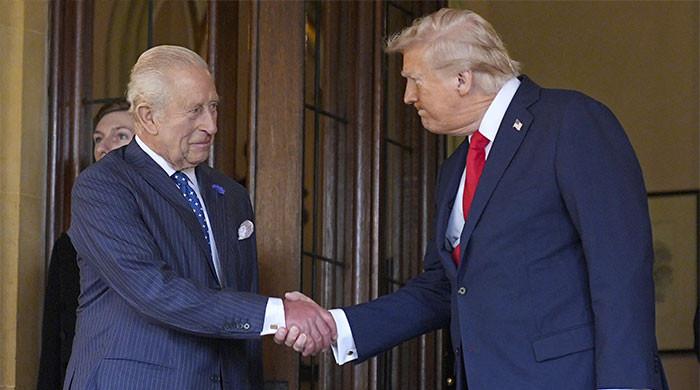
King Charles faces growing diplomatic uncertainties as calls to cancel his upcoming State visit to Washington DC intensify. The visit, widely regarded as a significant diplomatic event, now hangs in the balance amid mounting criticism. The controversy stems from recent comments made by former U.S. President Donald Trump, which have challenged the appropriateness of the royal trip.
Trump’s social media outbursts and public statements have severely tarnished the narrative surrounding the visit. Claiming Britain’s support is unnecessary, he labeled the UK a “once great ally,” implying that the United States no longer requires British backing in current international affairs. Such remarks have provoked a wave of diplomatic unease.
Political leaders in the UK continue to debate the prudence of proceeding with the visit amidst this tension. Sir Ed Davey, leader of the Liberal Democrats, advised Sir Keir Starmer to counsel King Charles to reconsider the trip scheduled for April. He warned that attending could inadvertently be perceived as giving a diplomatic platform to a leader who insults and damages the UK’s reputation.
Labour Party backbencher Rachael Maskell echoed these concerns, emphasizing the importance of context. She suggested that the royal visit should be paused unless it can help address the ongoing Middle East conflict directly, highlighting the sensitive nature of international diplomacy during such crises.
The Green Party’s Deputy Leader, Rachel Millward, expressed an even more critical stance. She described Trump’s America as a “rogue state” under his leadership and deemed the idea of a royal visit “unthinkable” at this point. Her comments underline the deep divisions within UK political circles about the visit.
The controversy escalated after Trump’s dismissive remarks aboard Air Force One, where he trivialized the UK’s military capabilities. He stated that the US had “already won,” dismissing the UK’s deployment of aircraft carriers as unnecessary, which many interpreted as a slight against UK military efforts.
Despite the turmoil, Downing Street confirmed that Prime Minister Rishi Sunak had a discussion with Trump. The talks covered the situation in the Middle East and ongoing military cooperation involving RAF bases, suggesting that communication remains active even amidst diplomatic tensions.
The controversy highlights the fragile state of UK-US relations amid Trump’s outspoken remarks. The recent exchanges have prompted questions about the long-term impact on diplomatic protocols and international cooperation, especially with a reigning monarch involved.
Meanwhile, the media speculates that the debates over the visit reveal deeper issues in UK foreign policy, with some questioning whether it is wise to proceed with celebrations and diplomatic gestures in such a polarized global environment.
The debate also raises questions on the role of the monarchy in contemporary diplomacy. As King Charles prepares for this high-profile visit, critics argue that his presence might be perceived as endorsing or legitimizing contentious political figures or policies.
Supporters, however, contend that the royal visit remains a vital symbol of UK’s enduring alliances. They believe that engagement at this level can help mend diplomatic rifts and promote international collaboration despite the current climate.
The upcoming weeks are likely to see intensified debates around the legitimacy and timing of the state visit. Political leaders and diplomatic experts are closely monitoring developments, wary of how Trump’s comments could influence public opinion and diplomatic protocols.
The situation underscores the complex intersection of domestic politics, international diplomacy, and individual personalities. As King Charles prepares for his visit, the global political landscape remains volatile, complicating diplomatic efforts and traditional royal engagements.
Ultimately, the future of King Charles’s planned trip hangs in the balance, with mounting calls for cancellation reflecting broader tensions. Regardless of the outcome, the controversy has spotlighted the delicate nature of modern diplomacy and the influence of outspoken political figures in shaping international relations.