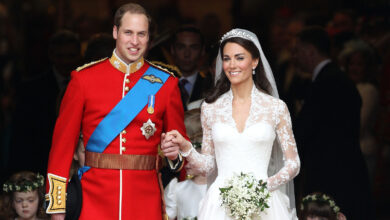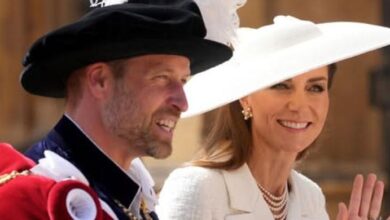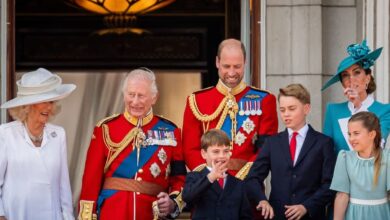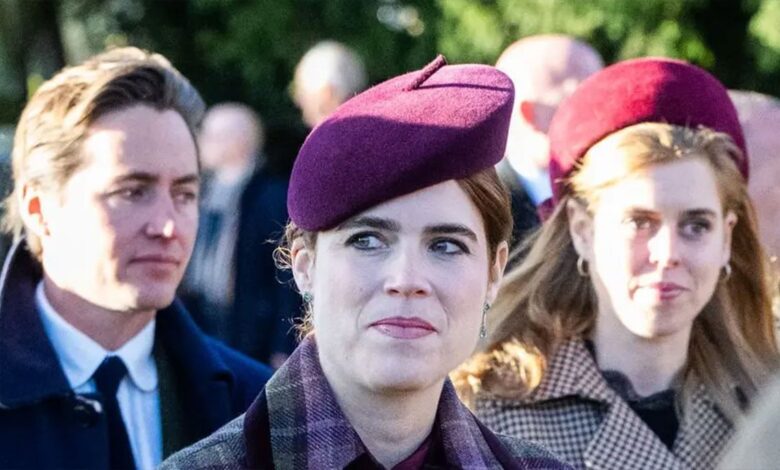
On Easter Sunday, King Charles is set to lead the royal family in Windsor, signaling continuity and tradition within the British monarchy. The annual service at St George’s Chapel remains a significant event, bringing together senior royals in a show of unity and royal heritage.
However, this year’s gathering will see the absence of Princesses Beatrice and Eugenie, who have chosen alternative plans. Their decision to skip the traditional service underscores underlying tensions and the evolving dynamics within the royal family.
The York sisters have maintained a relatively low profile in recent times, especially following the controversy surrounding their parents, Prince Andrew and Sarah Ferguson. Their distancing from the public eye indicates a cautious approach amidst ongoing family negotiations.
Interestingly, Beatrice and Eugenie appeared to reaffirm their royal ties over the Christmas season by joining King Charles at Sandringham estate. Their presence there made their Easter absence all the more conspicuous and sparked speculation about their current standing within the monarchy.
King Charles’s relationship with his nieces seems quietly supportive but undeniably complex. While there is evident care, recent events suggest a nuanced family landscape that remains to be fully navigated.
Eugenie faced a notable setback when her charity, Anti-Slavery International, cut ties with her as a patron. Despite this, she continues to play a mentoring role within the King’s Foundation’s “35 Under 35” initiative, reflecting a layered relationship with royal charities.
Beatrice’s status as a Counsellor of State ensures that she remains part of the constitutional mechanisms, prepared to step in during the monarch’s absence or illness. This role indicates trust and responsibility, even if she does not carry out official duties regularly.
Despite their limited participation in official duties, both sisters benefit from royal arrangements, exemplifying their ongoing connection to the royal institution. Their positions, while non-active publicly, emphasize their continued significance within the family hierarchy.
The family dynamics become more intricate considering their recent decisions and roles. The absence from Easter services may signify a desire for privacy or distancing amidst personal and family issues.
Royal expert analyses suggest that King Charles maintains a supportive yet cautious stance toward the York sisters. The royal family’s future cohesion may hinge on how these relationships evolve over time.
Public interest remains high regarding the status and influence of Princess Beatrice and Eugenie. Their choices reflect broader themes of adaptation and survival within the modern monarchy.
As the royal family prepares for upcoming engagements and ceremonies, the underlying tensions and bonds will continue to shape its narrative. The delicate balance of tradition, family, and individual agency remains central to understanding contemporary royal life.
In conclusion, King Charles’s leadership at Windsor symbolizes stability, but the silent complexities involving the York sisters highlight an evolving royal family landscape. Their quiet presence or absence underscores nuanced family relationships that continue to captivate public and diplomatic attention.