Prince William’s Close Friend Robert Irwin Turns Down Prince Harry and Meghan Markle’s Offer

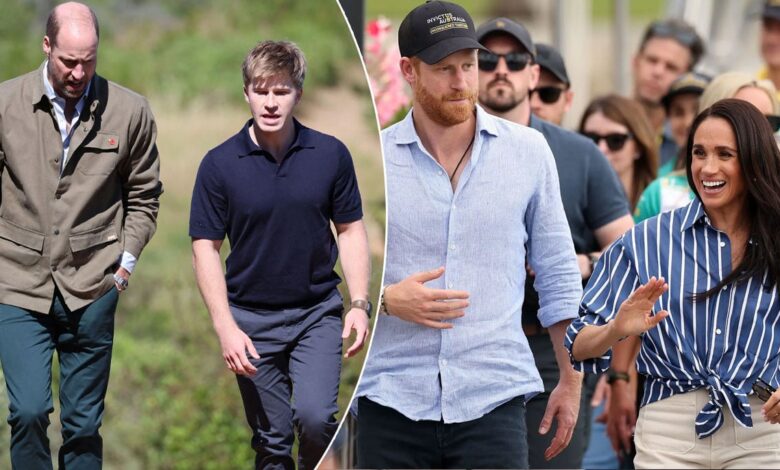
Prince Harry and Meghan Markle recently completed a four-day tour of Australia, where they received a warm and enthusiastic welcome from the Australian public. Their visit was marked by an array of public engagements, emphasizing their continued influence and popularity Down Under. Overall, their trip was perceived as successful and well-received by their fans and followers.
Despite the positive optics of their visit, there was an unfulfilled item on their itinerary that garnered quite a bit of attention. The couple had hoped to meet with the Irwin family, particularly Robert Irwin, a beloved conservationist and environmental advocate. However, this encounter was ultimately not possible during their brief stay.
The Irwin family’s prominence is significant in Australia, especially thanks to Robert Irwin’s achievements. After winning “Dancing with the Stars” and his ongoing conservation work, Robert has gained amplified fame and respect across the country. Their family holds a special place in the hearts of many Australians, making the potential meeting a notable aspect of the Sussexes’ visit.
Additionally, Prince William has personally entrusted Robert Irwin with the role of ambassador for the Earthshot Prize, an important conservation initiative that William has pioneered over the last five years. This connection exemplifies the Irwin family’s influence and their close ties to the broader royal network, further intensifying interest in any interaction between the two.
The Sussexes had especially hoped to meet Robert Irwin at Australia Zoo in Queensland, where Robert is a prominent figure. Their intention was to connect with him, possibly to highlight conservation issues or simply to build rapport with a young, influential environmental advocate. However, sources reported that the meeting could not be arranged within their limited schedule.
According to New Idea magazine, there was no ill-will or negativity from the Irwin family toward the Sussexes. The magazine indicated that the reason for the missed opportunity was purely logistical — “it wasn’t possible” during their visit. This suggests that the Irwins remain supportive and loyal to their longstanding commitments and values.
It’s important to note that all parties involved, including the Irwins and the Sussexes, are staunch monarchists. This loyalty underscores their respect for the royal family and the institutional framework they uphold. The inability to meet was more about timing constraints rather than any discord or disinterest.
The Sussexes’ trip was carefully staged to resemble an official royal tour, a move that helped preserve the dignity and formalities associated with their status. Despite their departure from formal royal duties, they continue to engage in activities that echo traditional royal engagements, maintaining their prominence on the global stage.
While the failed meeting with Robert Irwin might be disappointing to some, it didn’t overshadow the overall success of the visit. The couple managed to garner positive media coverage and reinforced their image as engaging and beloved figures abroad. Their presence continues to spark interest and admiration worldwide.
The dynamics between the Sussexes and prominent Australian figures like Robert Irwin illustrate the complexities of royal relationships and celebrity networks. Their interactions are often scrutinized, especially in the context of their broader roles and personal connections within the royal and celebrity worlds.
The Irwin family’s unwavering support for conservation and environmental causes resonates deeply with many Australians, and Robert’s rising fame signifies a new generation of influential advocates. Their legacy continues to grow, aligning with global efforts to promote sustainability.
In conclusion, the Sussexes’ Australian tour highlighted their popularity and diplomatic tact, even despite the one notable rejection. Their respectful acknowledgment of the Irwins’ busy schedules reflected their understanding of Australian cultural sensitivities and priorities.
As royal and celebrity figures navigate public expectations and personal aspirations, such missed opportunities still serve as reminders of the logistical challenges inherent in high-profile visits. The Irwin family’s decision underscores the importance of respecting commitments and relationships.
Looking ahead, there may be future opportunities for the Sussexes to reconnect with the Irwin family or other influential Australians. Their ongoing global influence suggests that these relationships will remain important facets of their public life.
Their Australian experience, therefore, underscores both their appeal and the reality of pragmatic restrictions in royal itineraries. Despite minor setbacks, the overall impression remains that the Sussexes continue to engage meaningfully with their international audiences.