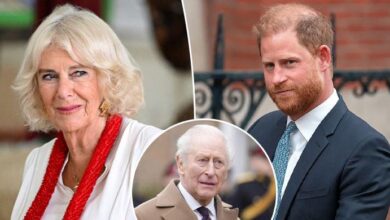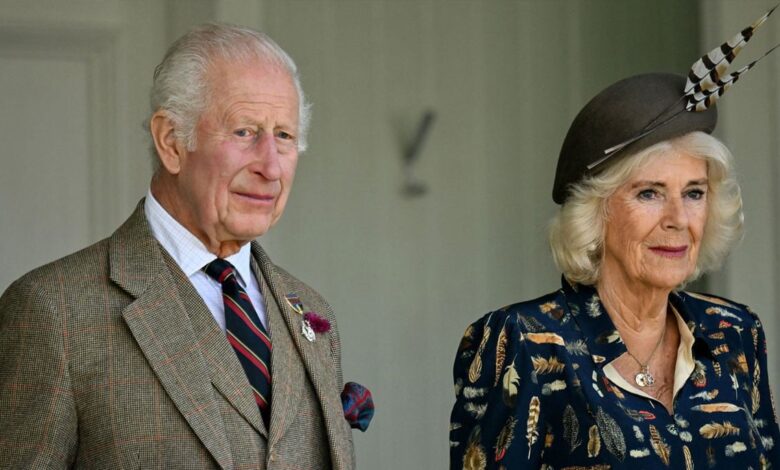
In a significant development within the British royal family, Queen Camilla is reportedly poised to assume a critical role, potentially stepping in for King Charles on a matter of national importance. The move comes amid escalating controversy surrounding the investigation into Andrew Mountbatten-Windsor and the revelations from the Epstein files.
King Charles has been urged to meet with survivors of Jeffrey Epstein’s abuse, as their voices seek acknowledgment and justice. However, the palace cited the ongoing active investigation as a reason for his absence, stressing the sensitive nature of the case.
Sources indicate that Camilla, given her history of advocating for abused women, has been approached by victims’ rights groups. She is expected to consider participating in a private meeting with the survivors during her upcoming US tour, highlighting her potential influential role.
While details remain scant, insiders describe the discussions about the meeting as “at very early stages.” Nonetheless, the possibility has already been hailed as a powerful gesture of support for victims seeking justice.
Victims have openly expressed their desire to meet with Camilla, viewing her involvement as a symbol of royal acknowledgment. Negotiations, if they occur, are expected to be highly discreet and conducted in utmost secrecy.
Legal experts, including Spencer Kuvin who represents several Epstein survivors, see Camilla’s potential engagement as a meaningful gesture. A private meeting could affirm the royals’ commitment to supporting victims beyond mere words.
Kuvin emphasized that this moment could serve as a defining one for the royal family’s stance on abuse issues. “A meeting with Epstein’s survivors would send a powerful message that their voices matter,” he stated, highlighting the significance of such an act.
Supporters argue that Camilla’s involvement could create a turning point in how the monarchy addresses issues of abuse and justice. It would demonstrate genuine support, aligning actions with the royal promise to prioritize victims’ welfare.
The move also underscores her evolving public image, which has seen efforts to reshape her reputation within the royal hierarchy. This could be a strategic step to foster trust and empathy among the public and the victims alike.
Political analysts suggest that Camilla’s potential engagement might influence broader discussions on accountability within the royal sphere. It could set a precedent for openness and responsiveness to serious allegations.
Furthermore, this development signals a possible shift in royal protocol, where personal advocacy begins to play a more active role in addressing complex social issues. Camilla’s experience and advocacy background make her a fitting figure for such a responsibility.
If the meeting materializes, it would mark a rare moment for a member of the royal family to directly engage with high-profile abuse survivors. Such an act would likely resonate globally, emphasizing the importance of justice and healing.
The British monarchy has historically maintained a reserved approach to controversy, but this potential move by Camilla could herald a new era of compassion and active support.
Overall, Queen Camilla’s anticipated involvement highlights the changing dynamics within the royal family, especially as it grapples with confronting uncomfortable truths. Her role could become a beacon of hope for survivors and a symbol of genuine support from the British monarchy.
As the situation evolves, all eyes remain on Camilla, whose actions—whether she accepts or declines the invitation—will undoubtedly send a strong message about the monarchy’s commitment to justice and advocacy for abuse victims.