Prince Harry Drops Royal Title In Public Moment That Sparks Prince William Power Struggle Rumors

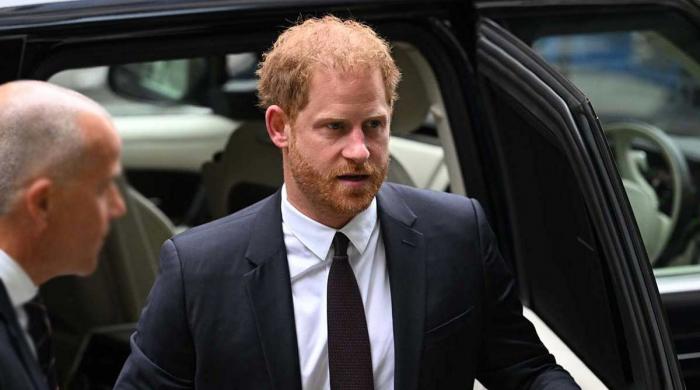
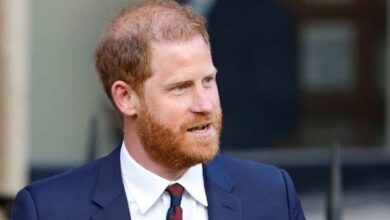
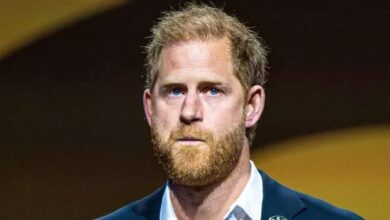
Prince Harry has found himself at the centre of fresh controversy after a surprising moment during a high profile polo event reignited tensions surrounding royal titles and future power struggles. The incident has sparked intense debate about whether it was an innocent slip or a subtle dig at Prince William.
The Duke of Sussex was attending the St Regis World Snow Polo Championship in Aspen when the announcer introduced him simply as Harry Wales. Notably missing was any reference to his title or his status as the son of King Charles.
The unexpected introduction immediately raised eyebrows among royal watchers. The surname Wales has long been associated with the Prince of Wales title currently held by Prince William who is next in line to the throne.
Social media users quickly questioned whether the moment carried deeper meaning. Some believed it symbolised Prince Harry distancing himself further from the monarchy while others saw it as an intentional provocation aimed at his elder brother.
Historically the name Wales is not entirely unfamiliar to Prince Harry. He was born Prince Henry of Wales in 1984 and used the surname during his military career long before becoming the Duke of Sussex.
Despite that context critics argued that using Wales now is inappropriate. Since Prince William and Princess Kate children are known as George Charlotte and Louis of Wales many viewed the introduction as outdated and misleading.
Speculation escalated with claims that Prince Harry may have deliberately chosen to drop his royal title. Some commentators described it as a quiet rebellion against the institution that he and Meghan Markle walked away from in 2020.
Others took the theory further suggesting it could be a mocking reference to Prince William future reign. With ongoing rumours that William may remove Harry and Meghan royal titles once he becomes king the timing raised suspicion.
Royal commentator Tom Sykes weighed in suggesting that the use of Wales could be interpreted by some as a statement of personal independence. He noted that the controversy followed Meghan Markle recent emphasis on how she defines her own name.
Still alternative explanations quickly emerged. A spokesperson for Prince Harry clarified that the announcer simply made a mistake and that there was no intention behind the wording used during the event.
The explanation did little to stop the backlash. Footage of the introduction spread rapidly online prompting sharp reactions from royal fans and critics who accused Harry of clinging to a past identity.
One commenter wrote that Harry is no longer Wales and that time has moved on. Another insisted that the Wales surname now belongs only to Prince William and Princess Kate children.
A third observer pointed out that Harry identity changed when he became Duke of Sussex and that continuing to use Wales suggests unresolved conflict with his role outside the monarchy.
The controversy also reignited discussions about Prince Harry children. Archie and Lilibet carry the surname Mountbatten Windsor rather than Sussex or Wales which further complicates public understanding of royal naming conventions.
While most evidence points to a simple slip of the tongue the incident highlights how sensitive royal titles have become. Any perceived slight involving Prince William King Charles or Meghan Markle is now instantly magnified.
Whether accidental or symbolic the moment has once again placed Prince Harry at the heart of royal debate. It underscores how even a single word can reopen questions about loyalty legacy and the future of the British monarchy.