King Charles Under Fire as Andrew Crisis Explodes and Palace Misstep Sparks Public Fury

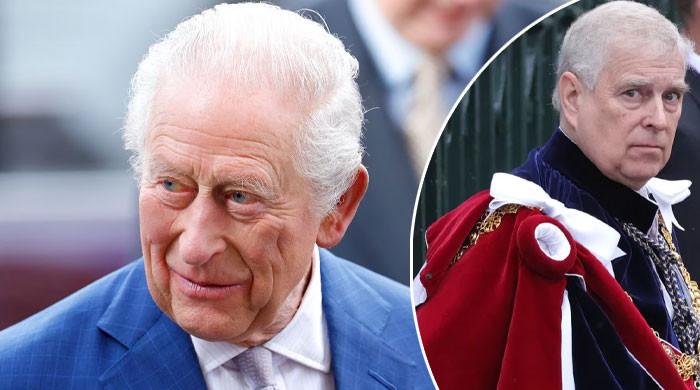
King Charles is facing intense new pressure as the royal family struggles to contain the fallout surrounding Andrew Mountbatten Windsor and the latest revelations linked to the Epstein files. Despite Buckingham Palace issuing a carefully worded statement distancing the monarchy from any active police investigation, public anger continues to build, with critics accusing the Palace of a serious misjudgment that has only fueled suspicion.
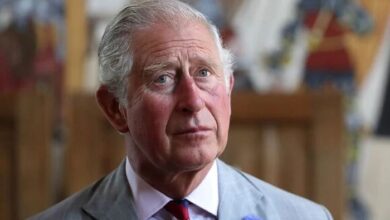
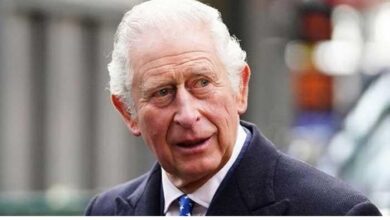
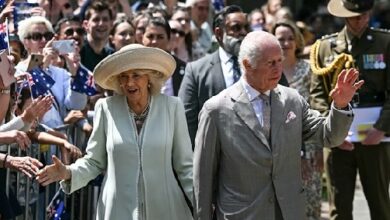
The monarch has now endured heckling on multiple public outings, a rare and uncomfortable sight that underscores how deeply the issue has cut into public confidence. Questions shouted at the King reflect growing frustration over what many see as a lack of transparency and accountability when it comes to Andrew Mountbatten Windsor and his long shadow over the Crown.
Adding to the tension, Queen Camilla has notably avoided addressing questions from reporters about the Epstein related allegations. Her silence has been interpreted by critics as a sign of how sensitive and potentially damaging the issue remains for the senior royals behind palace walls.
Prince William has also found himself caught in the storm. During a recent overseas visit, the future king appeared to ignore hecklers who attempted to raise the Andrew issue, a moment that quickly circulated online and reignited debate over whether the royal family is deliberately avoiding the subject.
Critics argue that continued efforts to shield Andrew Mountbatten Windsor represent a major strategic error. They warn that protecting one individual at the expense of transparency could cause lasting damage to the monarchy’s reputation, especially at a time when public trust in institutions is already fragile.
Calls for openness have intensified following the release of documents commonly referred to as the Epstein files. These materials, published by the US Department of Justice, contain disturbing details that have reopened old wounds and raised fresh questions about who knew what and when within elite circles.
Republican campaigners have seized on the moment to demand a more decisive response from the Palace. Graham Smith, chief executive of the organization Republic, has been among the most vocal critics, arguing that the royal family must finally confront the seriousness of the situation.
Speaking to GB News, Smith said the monarchy faces serious problems that cannot be brushed aside. He stressed that law enforcement must be allowed to pursue all available evidence without fear, favor or interference from royal influence.
Smith described openness as the bare minimum expected from a head of state in a modern democracy. He warned that anything less risks further erosion of public trust, particularly if the Palace is seen as prioritizing image management over accountability.
He also emphasized that there should be no expectation of special treatment for Andrew Mountbatten Windsor. According to Smith, equality under the law must apply regardless of title or status, and police should be free to investigate fully and independently.
Beyond cooperation, critics are now demanding regular updates as investigations progress. Transparency, they argue, means not only allowing inquiries to proceed but also keeping the public informed in order to restore confidence in both the monarchy and the justice system.
There are also renewed calls for unrestricted access to documents and correspondence that may be relevant to the case. Smith pointed to the approach taken by US authorities, where public disclosure is often used as a tool to reinforce accountability and trust.
These demands follow a Palace statement issued on February 9, in which King Charles expressed profound concern over the allegations involving his brother. The King insisted that the accusations are taken seriously and described the emerging details as deeply troubling.
The statement also confirmed that Buckingham Palace stands ready to support Thames Valley Police should they formally request assistance. While intended to reassure the public, critics argue the message stopped short of the full transparency many are now calling for.
As the controversy continues, the monarchy finds itself at a crossroads. The Andrew crisis has become a broader test of whether the royal family can adapt to modern expectations of openness and accountability, or whether old instincts to close ranks will prevail.
With public opinion sharply divided and media scrutiny intensifying, the coming weeks could prove decisive for King Charles and the future image of the Crown. How the Palace responds next may determine whether trust can be rebuilt or whether this royal blunder leaves lasting scars.