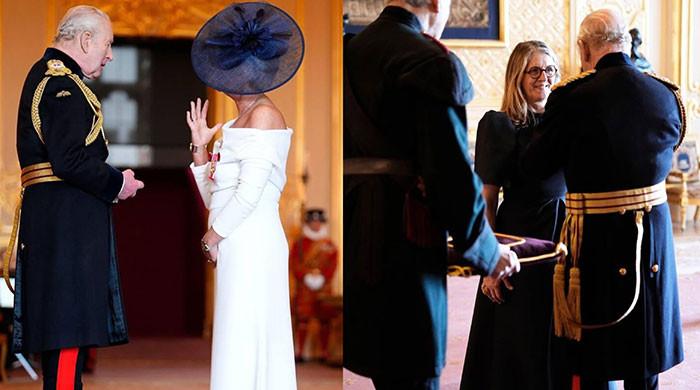
King Charles found himself at the center of fresh controversy after opening the first royal investiture ceremony of 2026 at Windsor Castle, a moment meant to celebrate national excellence but overshadowed by growing public anger over environmental waste concerns.
The ceremony marked the seventh investiture of the year, following five hosted by Princess Royal and one by Prince of Wales, underlining the royal family’s continued role in recognising achievements across British society.
While the grandeur of the event was unmistakable, critics were quick to point out the uncomfortable timing, as the monarch faced backlash over reports of massive waste piles linked to royal estates and public events, reigniting debates about sustainability and responsibility.
Among the honoured guests was Professor Dame Jocelyn Bell Burnell, a world renowned astrophysicist whose contributions to astronomy earned her the prestigious title of Companion of Honour, placing her among the most respected figures in British science.
Jocelyn Bell Burnell used her moment in the spotlight to address deeper societal issues, speaking candidly about gender imbalance in the physical sciences and urging institutions to continue pushing for meaningful change.
Reflecting on her early academic years, she told attendees that she was once the only woman among forty nine male students, a stark reminder of how exclusion shaped scientific spaces for decades.
She acknowledged that progress has been made, noting that women now make up around a third of physical science students, but stressed that the journey toward true equality remains far from complete.
Her remarks were met with warm applause, as many in attendance saw her words as both a celebration of progress and a challenge to do better, especially in fields traditionally dominated by men.
Read More: Meghan Markle Stuns Royals With Clearest Photo Yet of Princess Lilibet on Special Day
The investiture ceremony honoured achievements across science education and innovation, reinforcing the monarchy’s long standing mission to spotlight excellence that benefits society as a whole.
Yet outside the castle walls, public discussion was less celebratory, with environmental activists questioning how such lavish ceremonies align with growing concerns over waste management and environmental responsibility.
King Charles, long known for championing environmental causes, faced renewed scrutiny as critics argued that symbolic gestures must be matched with visible action, particularly when public trust is at stake.
Supporters countered that the ceremony demonstrated the monarchy’s evolving role, blending tradition with modern values by elevating voices like Dame Jocelyn’s and highlighting inclusion and responsibility.
The event also highlighted how royal platforms can amplify critical conversations, from gender equality in science to broader questions about sustainability and public accountability.
As the ceremony concluded, it was clear that recognition and controversy had become intertwined, with honours inspiring hope even as criticism demanded reform.
For many observers, the 2026 investiture symbolised both the enduring influence of the monarchy and the growing expectation that it must lead by example in a changing world.