Prince William Under Scrutiny for Alleged Double Standards in Land Use and Development Projects

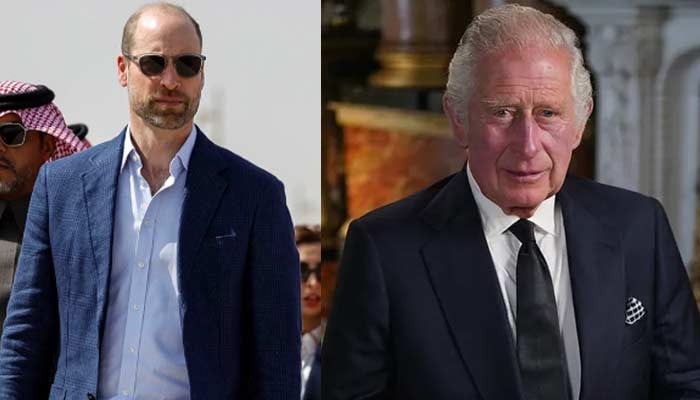
Prince William, the future king of the United Kingdom, has recently found himself embroiled in controversy over his Duchy of Cornwall’s land management policies. Critics accuse the royal estate of exhibiting “double standards” through contradictory projects that challenge its publicly stated environmental commitments.
The allegations surfaced as the Duchy faced backlash for planning and granting permission for development projects spanning hundreds of acres of farmland in Faversham, Kent. This development contrasts sharply with the Duchess’s recent environmental campaigns, sparking accusations of hypocrisy.
In a recent social media post, William shared footage showcasing the Duchy’s efforts to protect and restore landscapes, emphasizing their commitment to biodiversity and community welfare. The footage highlighted the work undertaken to preserve rare habitats, such as temperate rainforests, aligning with global conservation efforts.
Alongside the impressive footage, William’s caption celebrated the International Day of Forests, underscoring the importance of natural habitats for future generations. Fans and environmental advocates lauded the message, viewing it as a positive step toward emphasizing rural conservation.
However, critics questioned the sincerity of these conservation messages given recent land development approvals. The plans, which included construction on various plots in Faversham, faced fierce opposition from local residents who argued that such projects undermine the very environmental values the prince advocates.
Sarah Moakes, a resident of the Faversham area, spoke out against the developments. She labeled the Duchy’s actions as a “contradiction,” pointing out that while they promote green initiatives publicly, they are simultaneously allowing or facilitating development that destroys green spaces.
Moakes voiced her frustration, stating that there is a clear “double standard” at play. She argued that the land, which is supposed to be preserved for ecological and community benefits, is being sacrificed under the guise of development, raising questions about the true priorities of the Duchy.
Before the approvals, the plans faced significant opposition, with 467 objections from local residents and environmental groups. Despite this, the Swale Borough Council granted permission, citing the high-profile status of the royal estate as a decisive factor.
Local residents like Moakes expressed disappointment, emphasizing that the green spaces are essential for community recreation, such as walking dogs and enjoying nature. The proposed developments threaten to disrupt these everyday activities and diminish the rural character of the area.
Ben Murphy, the estate director for the Duchy, responded to the criticism with a seemingly defensive stance. He claimed that the Duchy has spent six years engaging with the community and that the project aims to balance development needs with environmental preservation.
Murphy stressed that a significant portion of the land—half of the planned development—would be dedicated to green spaces, parks, and woodland areas, intending to maintain the area’s rural charm and ecological diversity. He further promised that the new housing would include affordable options for vulnerable families.
Despite these assurances, critics remain skeptical, arguing that the size and scope of the development projects are incompatible with the conservation rhetoric promoted by William. They question whether economic development is overriding environmental and community needs.
The controversy underscores the ongoing debate about land use policies and the royal family’s role in balancing tradition, development, and environmental stewardship. Critics call for more transparency and consistency in the Duchy’s projects to match their public messages.
In conclusion, Prince William’s recent land dealings have spotlighted the complex relationship between royal heritage, land management, and modern environmental responsibilities. The allegations of double standards serve as a reminder of the importance of genuine sustainability commitments from influential institutions.
As the dispute continues, it remains to be seen whether the Duchy will adjust its policies or clarify its intentions to address the concerns of residents and environmental advocates. With public scrutiny mounting, the future of the Duchy’s land projects could become a defining issue in William’s path toward kingship.
Ultimately, this controversy reflects the broader challenge faced by hereditary estates and modern governance: aligning actions with stated values and maintaining public trust in stewardship and sustainability efforts amid development pressures.