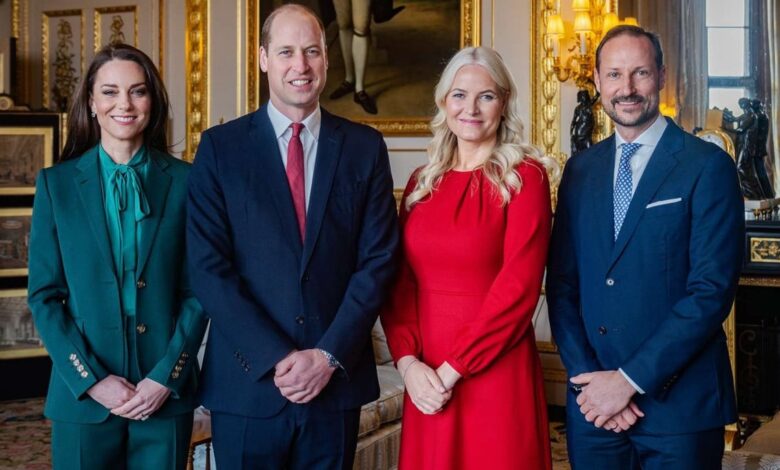
In a recent and emotionally charged interview, Crown Princess Mette-Marit of Norway addressed her past association with Jeffrey Epstein, shedding light on a controversial chapter in her life. The princess’s words have sparked widespread discussion and reflection on the complexities of personal relationships and public accountability.
During her candid conversation at her royal residence in Skaugum, Princess Mette-Marit expressed deep remorse over her friendship with Epstein, who was convicted of sex offenses. Her remarks highlight the emotional toll this association has taken on her, revealing a side of her rarely seen in public.
The princess openly admitted, “Of course, I wish I had never met him,” emphasizing her feelings of manipulation and the realization of being used without her understanding. She explained that she was unaware of Epstein’s notorious background during their interactions, which occurred from 2011 to 2014.
She lamented her failure to thoroughly check Epstein’s background before establishing a friendship with him, a lapse she publicly acknowledged amid the backlash from the media and the public. Her accountability underscores the importance of vigilance when forming personal connections, especially with controversial figures.
The timeline of her contact with Epstein is now reinforced by emails released in the Epstein files, indicating ongoing communication over several years. Despite the frequency of their interactions, she maintained that she was unaware of the extent of Epstein’s crimes at the time.
In her defense, Princess Mette-Marit stated, “I can’t remember this; it was 15 years ago. I still didn’t know anything about all the abuse.” She added that her impression of Epstein was that he was a “bad guy,” yet she did not fully comprehend the gravity of his misconduct at that point.
The controversy extends beyond personal remorse, as Epstein’s files contain names of other prominent figures, including politicians and royal members. This revelation has stirred public discussions on accountability and the hidden associations of influential personalities.
Among those named in Epstein’s registry is King Charles’ brother, Andrew Mountbatten-Windsor, who is currently living in exile while facing an ongoing police investigation for misconduct in public office. The exposure of such connections raises concerns about the complicity of elite circles.
Public opinion has been divided, with many questioning the transparency and oversight of individuals linked to Epstein. The situation has ignited debates over the responsibilities of public figures to scrutinize their acquaintances thoroughly.
While the extent of Princess Mette-Marit’s knowledge remains debated, her emotional response signals the burden of regret she carries. Her vulnerability in openly addressing the scandal may serve as a catalyst for broader conversations about privilege, influence, and accountability.
This episode also reminds society of the importance of uncovering and confronting uncomfortable truths, especially when they involve influential families and individuals. Transparency and accountability tend to foster a healthier societal discourse on justice and morality.
As the fallout continues, royal institutions are under pressure to address their members’ associations with controversial figures. The case has sparked calls for more stringent scrutiny of personal relationships among public officials.
Ultimately, Princess Mette-Marit’s heartfelt interview underscores that even those raised in privilege are not immune to regret and moral reflection. Her admission may pave the way for a more open and honest dialogue about accountability in the public eye.
The unfolding story serves as a reminder that personal history often intertwines with wider societal issues, prompting society to reflect on the importance of integrity and conscious decision-making for those in the public sphere.
In conclusion, the Princess’s emotional disclosure opens a window into her personal struggles and highlights the broader implications of associating with infamous individuals. It underscores the necessity for honesty and responsibility in maintaining public trust.