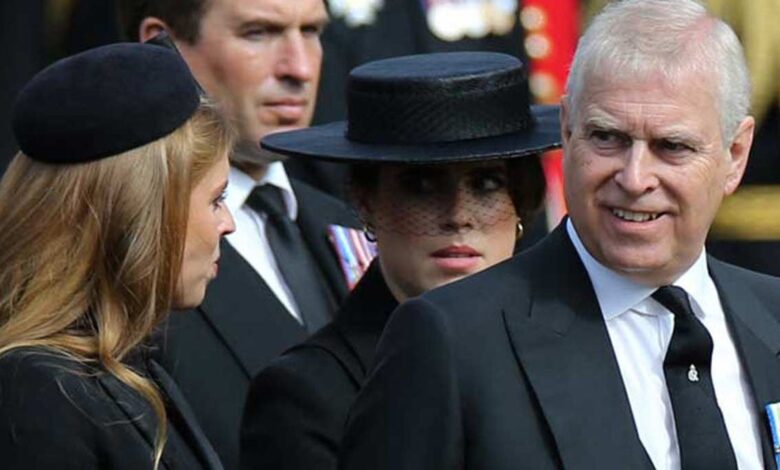
The recent developments concerning Andrew Mountbatten-Windsor have sent ripples through the royal and public spheres alike, marking a significant turning point in his life and public role. A fresh blow has shaken him further, with reports emerging that he is being compelled to make a major announcement. This development follows mounting controversies and new warnings from authorities about his future honors and titles.
In a surprising move, the City of London Corporation has taken concrete steps that could alter Andrew’s illustrious but controversial reputation. Elected members of the corporation have officially written to him, requesting that he surrender his “Freedom of the City” honor. This symbol of distinction has been a coveted recognition, given to individuals of high standing for their contributions over a lifetime.
The corporation’s decision highlights the gravity of the situation, as the honor is one of the highest bestowed by the City of London. The honor was granted to Andrew in 2012, recognizing his achievements and standing at the time. Now, however, the same honor becomes a point of contention amid his ongoing troubles, especially related to his association with Jeffrey Epstein.
A spokesperson for the City of London Corporation confirmed that they have formally contacted Andrew, urging him to relinquish his freedom voluntarily. This step underscores the serious disapproval and the desire to distance the institution from the controversy surrounding him. Previously, such honors have been granted based on inheritance and achievement, not revocation.
It’s important to note that the honor was awarded by patrimony, a process that involves inheritance through lineage, and is a legal right once conferred. The corporation, however, clarified that no mechanism currently exists to revoke a patrimonial freedom once granted, making this request a symbolic yet impactful gesture. This situation puts Andrew at a crossroads amid ongoing legal and public relations challenges.
The controversy stems largely from his ties to Jeffrey Epstein, who was convicted of serious crimes. These associations have tarnished Andrew’s reputation, prompting calls from various factions for accountability. The situation has intensified calls for him to step away from any royal or public duties, further distancing himself from the controversies.
Following these developments, Andrew has recently distanced himself from his royal titles, including dropping his “Prince” and “Duke of York” titles, and has left the Royal Lodge. Despite these steps, the question of his honors and recognition remains a contentious issue. The latest move adds to the mounting pressure he faces.
In response to the corporation’s letter, Andrew’s aides have suggested that he is contemplating his next steps, including the possibility of voluntarily renouncing the honor. This move would serve as a way to mitigate further damage and possibly demonstrate remorse or a willingness to listen to public sentiments. The decision, however, is ultimately his to make.
The statement from the officials indicated that Andrew’s recognition by patrimony was bestowed as a legal right, but that the current system does not explicitly allow for its removal. This procedural limitation is prompting calls for revisiting how such honors are awarded and withdrawn, especially in cases involving serious allegations or controversies.
The situation underscores the complex nature of royal honors, which often go beyond mere titles to symbolize societal recognition. Yet, in the modern era, public opinion and legal considerations increasingly influence the sustainability of such distinctions. Andrew’s case could potentially set a precedent for similar circumstances involving other members of the royal family.
As the public and media continue to scrutinize Andrew’s actions and the royal family’s role, the looming announcement is expected to be significant. It could involve him formally stepping back from public life or surrendering his remaining titles and honors. Such a move would mark a profound personal and public transformation.
The controversy surrounding Andrew also raises broader questions about accountability and the responsibilities tied to lofty recognitions. It highlights the delicate balance between tradition and modern expectations of conduct from public figures and the aristocracy.
In conclusion, Andrew Mountbatten-Windsor’s future remains uncertain as he navigates the fallout of these allegations and demands. The pending announcement and the potential relinquishment of his honors signify a pivotal moment, which could redefine his legacy and his role within both the royal household and society at large. The decisions he makes in the coming days will undoubtedly resonate well beyond his personal sphere.