The royal family and the wider public are currently in shock following a surprising decision by the BBC that has sparked widespread reactions. Traditionally, the Commonwealth Day service has been a significant annual event, celebrated with live broadcasts since 1989, highlighting its importance within the Commonwealth and to the monarchy.
This year’s decision by the national broadcaster to cancel its live coverage of the event on Westminster Abbey premises has caused concern among royal observers and Commonwealth supporters alike. The service, held every year since 1972, is considered a pivotal occasion that unites the 56 member states under the Commonwealth umbrella.
Royal author Ingrid Seward has been vocal in her criticism, describing the move as “ridiculous” and warning about its potential long-term consequences. She emphasized that such a decision could diminish the visibility and importance of the Commonwealth’s celebrations, especially in the context of modern Britain’s relationship with its former colonies.
The BBC attributed its decision to budgetary constraints, a reflection of the ongoing challenges faced by many broadcasting organizations worldwide. Instead of live coverage, the network has opted to air a rerun of ‘Escape to the Country,’ a popular house-hunting reality show, on the day of the service.
A BBC spokesperson explained that the coverage of the Commonwealth Day service would still be available, but through their other platforms like BBC One bulletins and rolling news channels. This represents a notable shift from the usual comprehensive broadcast traditionally associated with the event.
Royal expert Seward condemned this move, insisting that the coverage of the service is crucial for cultural and diplomatic reasons. She pointed out that the service symbolizes unity among member states and is a key occasion during which the monarchy openly celebrates its Commonwealth ties.
The Westminster Abbey service remains the sole annual event that unites all Commonwealth nations, making its coverage even more significant. It is seen as a moral and cultural obligation to observe this day as a collective celebration of diversity and shared history.
Among the nations participating, Australia, Canada, and India are prominent members, with King Charles serving as the head of the Commonwealth. Their presence at the service underscores the enduring importance of the Commonwealth in global diplomacy and national identity.
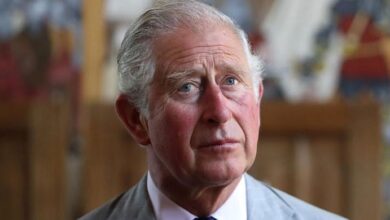
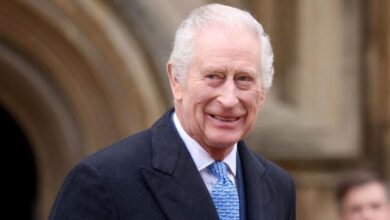
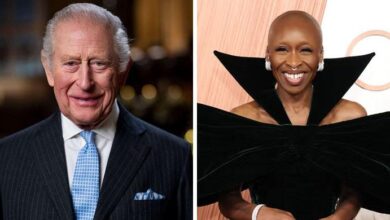
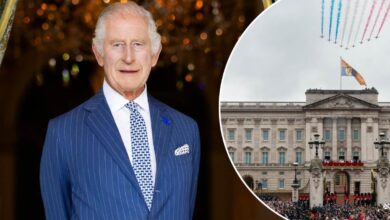
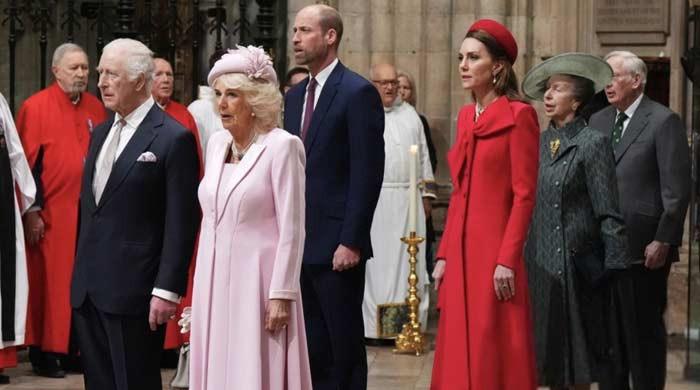
King Charles and Queen Camilla are expected to attend alongside the Prince and Princess of Wales, with approximately 1,800 attendees present at Westminster Abbey. Their participation emphasizes the ceremony’s importance in reinforcing the monarchy’s historical and contemporary connections.
Notable figures such as Geri Halliwell-Horner, the former Spice Girl, and Oti Mabuse, a former Strictly Come Dancing professional, are expected to deliver readings, adding celebrity significance to the event and drawing additional media attention.
The cancellation of live broadcast coverage has raised questions about the future visibility of the Commonwealth Day service. Critics argue that without visible media support, the event could lose its prominence and cultural impact over time.
Supporters of the traditional broadcast contend that media coverage helps maintain the Commonwealth’s relevance in modern society. They emphasize that such ceremonies offer a valuable opportunity for education, diplomacy, and cultural exchange on a global stage.
The decision by the BBC has also prompted discussions about the broader implications for public broadcasting and funding. Many question whether budget cuts should come at the expense of culturally significant programming that fosters international unity and understanding.
In conclusion, the royal family and many in the public sphere remain disappointed with the BBC’s decision, viewing it as a step away from celebrating a vital part of British tradition. The event’s significance as a unifying occasion for the Commonwealth only adds weight to the controversy surrounding its coverage.
As the Commonwealth Day approaches, debates continue on how best to honor and promote the shared values and history of the member states. The absence of a live televised service may influence public perception of the event’s importance moving forward.