King Charles Grants Princess Charlotte a Game Changing New Role Leaving William and Kate Behind

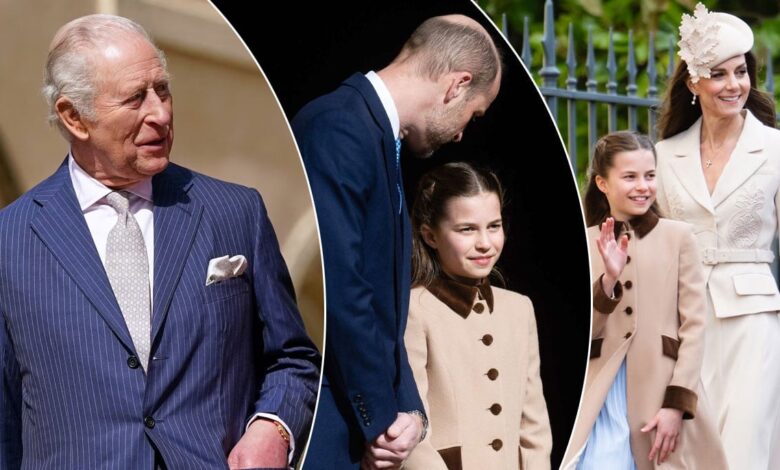
Princess Charlotte, the only daughter of Prince William and Princess Catherine, continues to captivate the public with her charming presence at royal events. Her graceful demeanor and confident steps often steal the spotlight, revealing a budding royal figure poised for future responsibilities.
Recently, at the Easter Sunday service at St George’s Chapel, Charlotte’s appearance was noteworthy. The gathering included all senior royals, commemorating an important occasion led by King Charles and Queen Camilla. The event marked a significant moment for the royal family, and Charlotte’s role was particularly observed.
Dressed in a bespoke camel-hued coat by Catherine Walker, the 10-year-old princess exuded elegance. Her outfit complemented her youthful charm, but it was her body language that drew specific attention from style and behavior analysts alike.
A body language expert highlighted that Charlotte displayed signs of a new, more active role within the royal family unit. Her steps and gestures suggested she was embracing her role with enthusiasm, possibly indicating increased responsibilities in the future.
During the event, Charlotte was seen skipping with a noticeable spring in her step, a sign of happiness and confidence. This demeanor was interpreted as her voluntary acceptance of her emerging royal duties and public responsibilities.
Public engagement was evident as Charlotte actively waved and smiled at the crowds, showcasing her comfort in the royal spotlight. Judi James, the body language expert, remarked that her voluntary gestures underscored her developing confidence.
King Charles was observed giving Charlotte a gentle pat on the shoulder, an informal gesture of approval and support during their interaction. This gesture was seen as a soft endorsement from the king, indicating his recognition of her evolving role.
Princess Kate was also noted mirroring her daughter’s actions, sharing a brief wave that reflected mother-daughter bonding. This synchronization underlined the close relationship and mutual support within the royal family.
Meanwhile, Prince William displayed pride as a father, allowing Charlotte to take the spotlight. His relaxed and joyful demeanor suggested he was proud to see his daughter stepping into her role with ease and confidence.
Throughout the outing, Charlotte maintained a proud, regal smile while keeping an eye on her younger brothers, Prince George and Prince Louis. Her protective gestures pointed to her sense of responsibility towards her siblings, a trait expected of future royal leaders.
This display of body language during the Easter service is interpreted by experts as a subtle signal of a “soft launch” of a new, pruned royal firm. It hints at a strategic shift within the family structure, with younger members gradually taking more visible roles.
Charlotte’s evident comfort and confidence have sparked discussions about her future responsibilities within the monarchy. Observers suggest she is already embracing her position with natural grace, setting the stage for her future as a royal figurehead.
Her interactions on this occasion reflect not only her individual growth but also the ongoing evolution of the royal family’s public image and internal dynamics. The subtle cues observed suggest a royal transition, with Charlotte emerging as a key player.
As she continues to grow and gain experience, Princess Charlotte’s role is expected to expand. Her ability to command attention with ease and carry herself with poise indicates a promising future ahead.
The event underscored the importance of body language in understanding royal dynamics and public perception. Charlotte’s confident gestures symbolize her readiness to embody her royal duties with pride and dedication.
In summary, Princess Charlotte’s recent appearance exemplifies a new chapter in her life and the royal family’s ongoing evolution. Her natural demeanor and strategic gestures reflect both her individual potential and the family’s adaptive approach to monarchy in modern times.