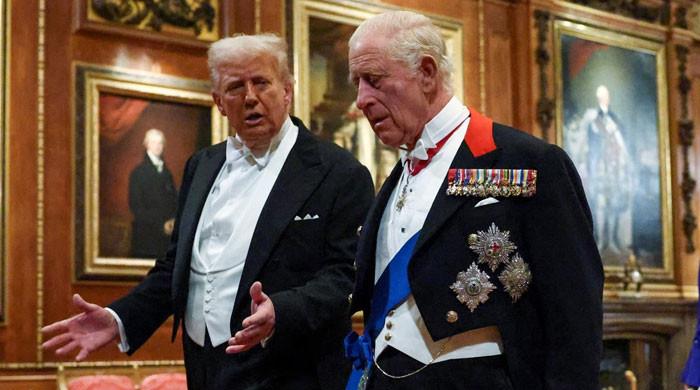
King Charles demonstrated his subtle yet strategic diplomatic skills in a recent incident that garnered international attention. His firm stance aimed to uphold the dignity of the United Kingdom amid controversial remarks by prominent figures. This move highlights the monarch’s commitment to protecting national honor, even in the delicate context of international discourse.
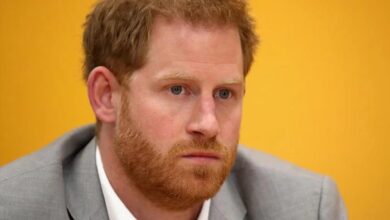
The incident began when Prince Harry publicly expressed support for the UK, emphasizing the importance of unity and resilience. His comments appeared to reinforce the nation’s stance on global alliances, contrasting with recent criticisms from political figures. The royal family’s position underscores their role as symbols of stability and national pride.
In September last year, King Charles hosted a significant State Visit to Windsor Castle, welcoming the U.S. President for diplomatic talks. During this visit, the focus was on strengthening bilateral relations and reaffirming shared values. Such high-profile events often set the tone for future diplomatic interactions and public perceptions.
However, trouble arose when former U.S. President Donald Trump made provocative remarks about NATO allies. In an interview with Fox News, he dismissed the need for NATO, implying that U.S. troops operated with less commitment than their UK counterparts. His comments were perceived as dismissive and insubordinate to longstanding alliances.
Trump stated that NATO forces “stayed a little back, a little off the frontlines,” suggesting a lack of reliance on allied nations. These remarks sparked concern among British officials and the royal family, who sought to preserve the integrity and reputation of their military alliances. The comments risked undermining decades of cooperation.
Recognizing the potential diplomatic fallout, King Charles took a discreet but decisive action to counter the insult. According to a British official, Charles’s intervention was aimed at defending the proud record of UK armed forces. His proactive stance exemplifies the royal family’s diplomatic tact in sensitive situations.
Sources close to the monarchy revealed that the king had personally conveyed his concern over Trump’s remarks. Whether the comments were “inadvertent or not,” they caused a sense of hurt that needed addressing. His intervention was characterized as a “quiet but firm” effort to safeguard national honor.
In response to the controversy, Donald Trump appeared to have changed his approach. He publicly acknowledged the sacrifices made by UK troops, recognizing their bravery and service. This shift demonstrated an awareness of the diplomatic sensitivities involved and a desire to mend fences.
On social media, Trump expressed admiration for UK soldiers, emphasizing the historic bonds between the two nations. He wrote about the sacrifices in Afghanistan and praised the UK military’s “tremendous Heart and Soul.” Such comments aimed to restore goodwill amid rising tensions.
Read More: King Charles Turns Ruthless on Andrew as Palace Braces for Fallout Behind Closed Doors
Trump’s statement included heartfelt appreciation, highlighting the enduring friendship between the United States and the United Kingdom. He emphasized that “the bond [is] too strong to ever be broken,” and thanked UK soldiers directly. These words signaled a move toward reconciliation.
King Charles’s strategic move played a pivotal role in prompting this shift. By subtly mediating the narrative, he ensured the UK’s stance was respected without public confrontation. This diplomatic finesse reflects the modern monarchy’s role in international relations.
With an upcoming visit scheduled for April, King Charles’s actions carry significant weight. They set the tone for future diplomatic engagements and demonstrate the monarchy’s influence beyond ceremonial duties. Such interventions can impact international perceptions and policies.
The incident also underscores the importance of diplomatic communication behind the scenes. In a world where public statements can escalate tensions, quiet interventions often serve as more effective tools. King Charles’s response exemplifies this subtle art of diplomacy.
Furthermore, the incident highlights the ongoing importance of international alliances like NATO. Countries continue to negotiate their roles and recognitions amid evolving geopolitical landscapes. Respectful diplomacy remains essential to maintaining these vital commitments.
In conclusion, King Charles’s discreet intervention effectively influenced U.S.-UK relations at a critical juncture. His ability to navigate diplomatic sensitivities underscores the evolving role of the monarchy in global affairs. Such actions reinforce the strength of traditional diplomatic channels in a modern world.
This episode serves as a reminder of the enduring importance of respectful diplomacy and the subtle power mechanisms used behind closed doors. As the UK prepares for its future, the royal family’s diplomatic acumen continues to be a cornerstone of national security and international relations.