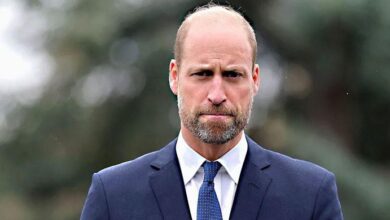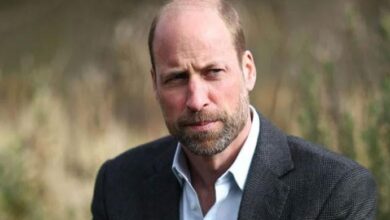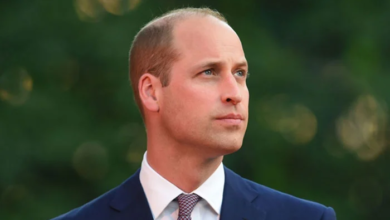
Prince William, the heir apparent to the British throne, has recently made significant decisions regarding his future role within the church and the monarchy. Initially, there was speculation about his involvement in key religious and royal duties, but he has now taken a cautious step back from some of these plans. His stance reflects a nuanced approach towards tradition and personal beliefs.
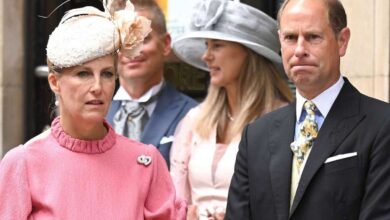
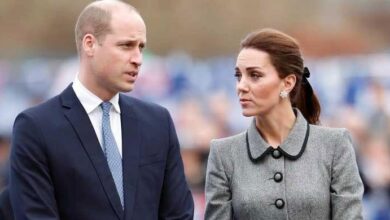
During a recent event, Prince William participated in the enthronement of Dame Sarah Mullally as the new Archbishop of Canterbury. He was accompanied by his wife, Princess Kate. This appearance highlighted his continued engagement with religious institutions, despite not being a regular churchgoer himself.
Interestingly, William’s relationship with religion is more reserved compared to his father, King Charles, and the late Queen Elizabeth II. Unlike his elders, he is not deeply religious, which has raised questions about his future role as the Supreme Governor of the Church of England.
Despite his limited religious participation, William understands the cultural and national significance of the church. Royal expert Jennie Bond emphasized that the Prince “clearly understands that the Church is extremely important in the lives of many people.” She noted that he respects that influence, recognizing its role in shaping the nation’s values.
Bond further explained that William’s personal beliefs might differ from traditional expectations. She suggested that his views on faith are less profound than those of his grandmother or his father. Nevertheless, he acknowledges the importance of the institution and its place in public life.
As heir to the throne, William will assume the role of Supreme Governor of the Church of England. This position entails significant ceremonial duties, which he is preparing to undertake with careful consideration. His approach appears to be one of respecting tradition while balancing personal beliefs.
There has been speculation about whether William’s lesser religious fervor could cause friction within the church’s hierarchy. However, experts believe he will not attempt to radically change the institution, focusing instead on upholding its traditions and societal importance.
Jennie Bond adds that William’s openness to the church’s role indicates he recognizes its historical and social significance. He may not share the same deep spirituality as his notable predecessors, but he respects the foundation it provides for many citizens.
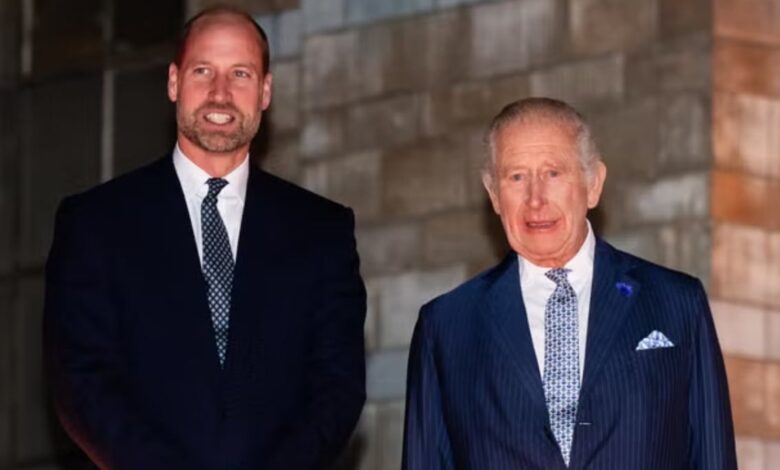
This attitude of measured respect suggests that William intends to follow the example set by his father, King Charles, who has also maintained a pragmatic approach to religion and monarchy. William’s emphasis on respecting the church’s importance helps reassure the public and religious leaders alike.
The evolving stance of Prince William signals a broader shift within the monarchy—one that balances tradition with individual authenticity. His decision to step back from certain plans demonstrates a recognition of the changing societal landscape and personal conviction.
Meanwhile, the public’s perception of William’s religious outlook remains generally positive. Many see him as a pragmatic leader who values the institution without necessarily being personally devout. This blend of tradition and modernity may serve him well as he prepares for future responsibilities.
Looking ahead, William’s approach could influence how the monarchy navigates its relationship with religion in the 21st century. His willingness to adapt while respecting established norms highlights an emerging trend within royal circles.
In conclusion, Prince William’s decision to reconsider his role in the church illustrates a thoughtful approach to his future reign. It underscores a commitment to maintaining stability and respecting heritage, even as personal beliefs evolve and societal expectations shift.