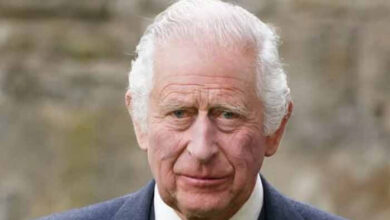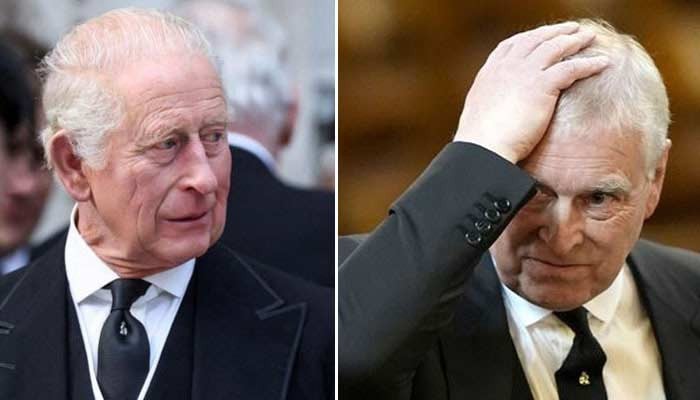
The British monarchy is currently navigating its most significant challenges in decades, amid a mixture of public opinion shifts and scandals involving royal family members. These issues threaten the stability of the institution and call for strategic decisions by King Charles III and his advisers.
Recent years have seen mounting pressure on the royal family, fueled by scandals, internal family disputes, and changing societal attitudes. The public’s support for the monarchy appears to be waning, raising concerns about its future relevance in modern Britain.
At age 77, King Charles faces the critical task of steering the monarchy through turbulent times. He must implement drastic measures to preserve the institution’s dignity and address the crises threatening its existence. His leadership is crucial in reassuring the public and maintaining stability.
A comprehensive examination by Newsweek dives into the evolving public attitudes towards the monarchy over the past four decades. Their analysis calls attention to various pivotal royal moments that have influenced public sentiment and sparked debate about the crown’s future.
A key source of data is the long-running British Social Attitudes survey, conducted by the National Centre for Social Research. Since 1983, this survey has provided detailed insights into how Britons view their monarchy, capturing shifts over time with nuanced options beyond just support or abolition.
In 1983, only 3.1 percent of respondents wanted to abolish the monarchy, compared to an anticipated 15.3 percent in 2024. This rising trend indicates a gradual erosion of royal support, approaching significant numbers that could threaten constitutional continuity.
Support for ending the monarchy has been increasing by approximately 0.3 percentage points annually. If this linear trend persists, the support could reach a majority within the next century, although unexpected shocks could accelerate or disrupt this trajectory.
Interestingly, the survey reveals that many Britons still consider the monarchy “very important” for Britain’s identity. However, this sentiment has declined sharply over the years, impacting public perception of the monarchy’s significance in society.
Back in 1983, about 64.6 percent believed the monarchy was very important, but this figure dropped to 24.1 percent by 2024. The sizable decline highlights a growing disconnect between the royal institution and the evolving values of the populace.
Conversely, the combined percentage of those who see the monarchy as “not very” or “not at all” important has surged from just 13 percent to nearly 46 percent over the same period. This shift underscores a mounting skepticism among the British public.
Alarmingly, projections suggest that within five years, more than 50 percent could support abolishing the monarchy or deem it unimportant. Such a majority would significantly influence future political debates and potential reforms.
If current dynamics continue, the support for “very important” ratings could plummet to around 14 percent in ten years, further weakening the monarchy’s societal standing. This decline could catalyze calls for major constitutional changes.
The data indicates that currently, about 58 percent of Britons favor keeping the monarchy, whereas 38 percent support electing a new head of state through democratic means. The divide reflects ongoing debates about constitutional reform and national identity.
The rise in dissatisfaction among softer supporters hints at a potential shift towards republican sentiments if the trend persists. However, no immediate move toward abolition is guaranteed without political consensus or public referendum.
The UK’s political landscape adds complexity, as Prime Minister Keir Starmer shows little inclination to abolish the monarchy. Yet, leadership challenges and shifting public opinion could reshape the debate in the coming years.
Recent events have spotlighted vulnerabilities within the royal family. Notably, King Charles withdrew his brother Prince Andrew’s titles in October, due to his controversial connections with Jeffrey Epstein. This move symbolizes the monarchy’s attempt to manage its image.
Prince Andrew remains under investigation, which continues to impact public perception. Such scandals challenge the integrity of the royal family and fuel discussions about accountability and transparency within the institution.
The controversy surrounding Prince Andrew has also sparked parliamentary debates about scrutinizing the royal family more closely. Politicians question whether the monarchy should be subject to greater oversight or reform.
On a more positive note, King Charles III’s recent state visit to the United States has garnered widespread praise. His diplomatic efforts and the warm reception by American audiences signal a resilient aspect of his leadership.
Charles received multiple standing ovations at the White House and before Congress, projecting an image of unity and international diplomacy. These high-profile moments could bolster his reputation domestically.
Despite internal scandals, such diplomatic gestures demonstrate the monarchy’s ongoing role in shaping Britain’s global image. Such events may influence public opinion and reinforce its cultural significance.
Ultimately, the future of the British monarchy hinges on a combination of public sentiment, political will, and the ability of its figures to adapt to modern expectations. The coming years will be pivotal as the institution seeks to maintain its relevance amid shifting societal values.