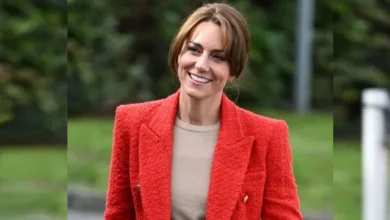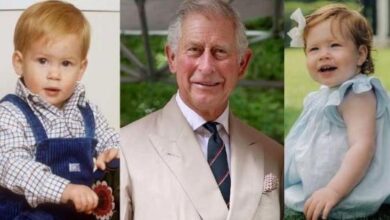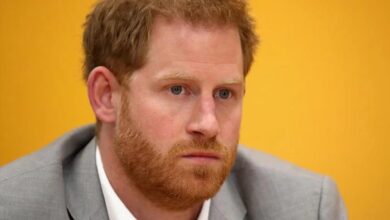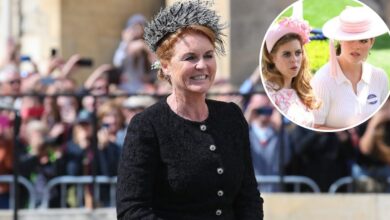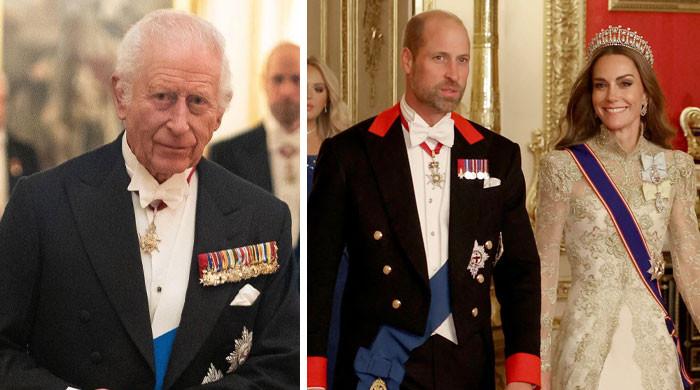
King Charles is reportedly preparing to delegate a significant role to the next generation of royals, specifically Prince William and Princess Kate. With the support of Queen Camilla, Charles seems determined to usher in a new chapter for the monarchy during a period of internal turmoil.
The Prince and Princess of Wales have been strategically positioning themselves for their future responsibilities. They have adopted a different approach, preparing for their destined roles with a focus on modernizing the royal image and engaging more actively with the public.
Prince William has already been involved in critical decisions behind the scenes. Notably, he played a role in the decision to oust Andrew Mountbatten-Windsor from the royal family, signaling a shift towards accountability and change within the institution.
Despite efforts to distance themselves from scandals, the royal family continues to grapple with the fallout of Prince Andrew’s controversies. Culture and branding expert Nick Ede highlights ongoing challenges in fully detaching from the disgraced royal’s reputation.
King Charles has made his stance clear by stripping Andrew of his titles, including the Prince-style and lease for Royal Lodge, demonstrating his commitment to accountability. Charles emphasizes that justice must be pursued, especially concerning the Epstein victims, confirming his dedication to principle over loyalty.
Ede underscores the importance of addressing scandals but emphasizes that the next crucial step involves the Prince and Princess of Wales. Their role is vital in shaping the future trajectory of the monarchy and restoring public confidence.
Speculation grows that William and Kate could soon take on more prominent roles. Experts suggest discussions are underway about whether it is time for them to step forward and re-establish the monarchy as a younger, more progressive, and commanding presence.
Public sentiment remains divided, with many calling for harsher actions against scandals and some even proposing removal from the line of succession. These tensions reflect broader questions about the monarchy’s relevance and accountability in contemporary society.
King Charles appears to be adopting a strategic, battle-ready stance, focusing on consolidating support and projecting strength despite ongoing controversies. His firm approach suggests a desire to protect the monarchy’s legacy amidst turbulent times.
Nick Ede advocates for building the royal brand around the most advantageous assets—namely, William and Kate. He believes that emphasizing their roles can help rejuvenate the monarchy’s image and appeal to younger generations.
The potential elevation of William and Kate is seen by some as a move to ensure the monarchy remains relevant and commanding in the modern era. Their youth and progressive outlook could be assets in transforming the royal image.
However, internal challenges and past scandals continue to cast shadows over the royal family. The ongoing debate about transparency and accountability remains central to their public perception and future stability.
As the royal family navigates these turbulent waters, the focus on the next generation may signal a strategic shift aimed at revitalizing the institution. King Charles’s leadership will likely be critical in steering this change.
In conclusion, the monarchy is at a pivotal crossroads, with King Charles signaling a readiness to delegate and modernize. Prince William and Princess Kate are poised to take on influential roles that could define the future of the royal family.
The coming months will be crucial in determining how these leadership changes unfold. The world will be watching to see if this new strategy can restore faith and solidify the monarchy’s role in 21st-century Britain.